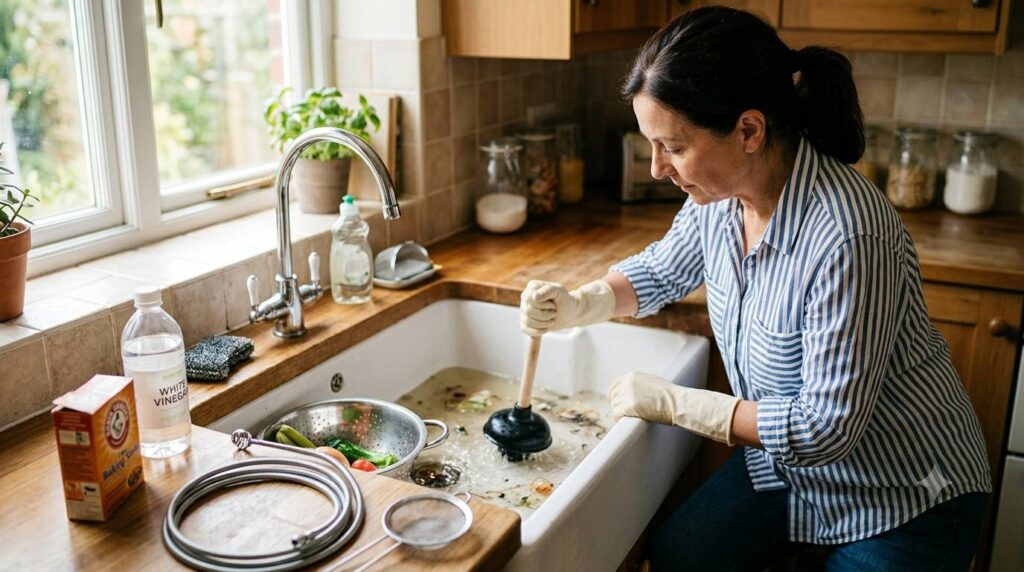
A clear drain feels like a small victory. Water flows freely, sinks empty quickly, and daily routines continue without interruption. Yet many households face the same blockage returning weeks or months later, often in the same fixture.
Recurring clogs rarely appear without reason. Everyday habits, the materials that enter the pipes, and the condition of the drainage system itself all play a part. Understanding these factors makes it easier to break the cycle.Professional drain cleaning for clogged drains becomes useful when simple measures no longer hold the problem at bay.
Why Clogs Return After Clearing
A temporary clear-out removes the visible obstruction but may leave residue behind. Grease that cools and sticks to pipe walls, hair that wraps around rough spots, and soap scum that builds layer by layer all create surfaces where new debris catches easily.
Pipes that have developed slight dips or rough interior surfaces trap material more readily than smooth, properly graded lines. Over time these small imperfections turn occasional slowdowns into frequent blockages that often require drain cleaning for clogged drains to fully resolve.
Common Materials That Feed Repeat Blockages
Several everyday items contribute more than most people realise:
- Cooking oil and fat poured down the kitchen sink
- Hair and product residue in bathroom drains
- Coffee grounds, egg shells, and fibrous food scraps
- Wet wipes or thick paper products that do not break down
- Excess soap and mineral deposits from hard water
Each of these substances either sticks to pipe walls or combines with other debris to form stubborn masses. Once a rough patch forms, future clogs develop faster.
How Daily Habits Influence Drain Health
Small changes in routine often produce noticeable improvements. Wiping grease from pans before washing, using a simple hair catcher in showers, and avoiding the sink as a bin for food scraps all reduce the volume of material entering the pipes.
Running hot water after each use of the kitchen sink helps move lighter residues farther along the line before they cool and solidify. In bathrooms, periodic flushing with hot water and a mild cleaner keeps soap film from accumulating.
When the Problem Lies Deeper in the System
Not every recurring clog stems from household habits. Tree roots seeking moisture can enter older outdoor drains through tiny joints or cracks. Inside the home, partially collapsed sections or poorly aligned pipes create low points where waste settles.
Strange noises, multiple fixtures backing up at once, or water rising in a shower when the toilet flushes suggest the restriction sits farther down the line. These situations usually require more than surface-level clearing.
Practical Steps to Keep Drains Flowing
Prevention works best when it becomes routine rather than a reaction to the next slowdown:
- Install simple strainers in kitchen and bathroom sinks
- Dispose of oils and fats in the bin rather than the drain
- Clean hair catchers regularly
- Avoid chemical cleaners that can damage pipes over time
- Schedule periodic professional inspections if clogs keep returning
These measures reduce the frequency of blockages and limit the need for repeated interventions.
The Role of Professional Attention
When home methods stop delivering lasting results, a thorough mechanical clearing reaches farther into the pipes than most household tools. Specialists can also assess whether the pipe condition itself contributes to the problem and recommend appropriate next steps.
Early professional involvement often prevents a minor recurring issue from developing into a full blockage or overflow that damages floors and cabinets.
Conclusion
Returning drain clogs usually signal a combination of residue left behind, materials that should not enter the pipes, and sometimes the physical condition of the drainage line. Addressing daily habits reduces the debris that feeds new blockages, while timely professional care handles the material that has already accumulated farther along the system. Consistent attention to both aspects keeps water flowing freely and protects the home from the inconvenience and potential damage of repeated backups.