Have you ever watched rainwater pool around your property, refusing to drain away? Or perhaps you’ve noticed a foul smell wafting up from your drain grates after a downpour? Maybe you’ve wondered why your garden seems waterlogged even days after the last storm? If any of these scenarios sound familiar, you’re likely dealing with a blocked stormwater drain – and it’s a problem that demands your immediate attention.
Stormwater drains play a vital role in protecting your property from water damage. They channel rainwater away from your home, preventing flooding, erosion, and structural issues. When these drains become blocked, the consequences can range from minor inconveniences to major, costly repairs. In Australia, where sudden storms and heavy rainfall are common, keeping your stormwater system in top condition isn’t just good practice – it’s essential.
In this guide, we’ll walk you through everything you need to know about handling blocked stormwater drain. You’ll learn what causes blockages, how to spot the warning signs early, and when you can tackle the problem yourself versus when it’s time to call in the professionals. We’ll also cover costs, responsibilities, and prevention tips to help you stay ahead of any drainage disasters. Let’s get stuck into it.
What Causes Stormwater Drains To Block?
Understanding why blockages occur is the first step toward preventing them. Several culprits are usually responsible for clogged stormwater systems.
Leaf Litter And Garden Debris
Fallen leaves, twigs, and garden clippings are among the most common causes of blocked drains. During autumn especially, debris accumulates quickly around drain grates and gets washed into the system. Once inside, this organic matter builds up and creates stubborn blockages that restrict water flow.
Soil, Sediment And Silt Build-Up
Over time, soil and sediment naturally wash into stormwater drains. Construction work nearby can accelerate this process significantly. The silt settles at the bottom of pipes, gradually narrowing the passage until water can no longer flow freely.
Tree Root Intrusion
Tree roots are drawn to moisture, and your stormwater pipes provide an attractive water source. Roots can crack pipes, infiltrate joints, and grow inside the drainage system. This creates serious blockages that are difficult to clear without professional help.
Foreign Objects And Household Waste
Unfortunately, many blockages result from items that shouldn’t be in the system at all. Children’s toys, plastic bags, and general rubbish can find their way into drains. Some homeowners mistakenly connect washing machine outlets to stormwater systems, introducing lint and debris.
Structural Damage And Collapsed Pipes
Older properties may have clay or concrete pipes that deteriorate over time. Ground movement, heavy vehicle traffic, or simply age can cause pipes to crack, sag, or collapse entirely. When this happens, the structural damage itself becomes the blockage.
Warning Signs You Have A Blocked Stormwater Drain
Catching a blockage early can save you significant money and hassle. Keep an eye out for these telltale signs.
Pooling Water Around Your Property
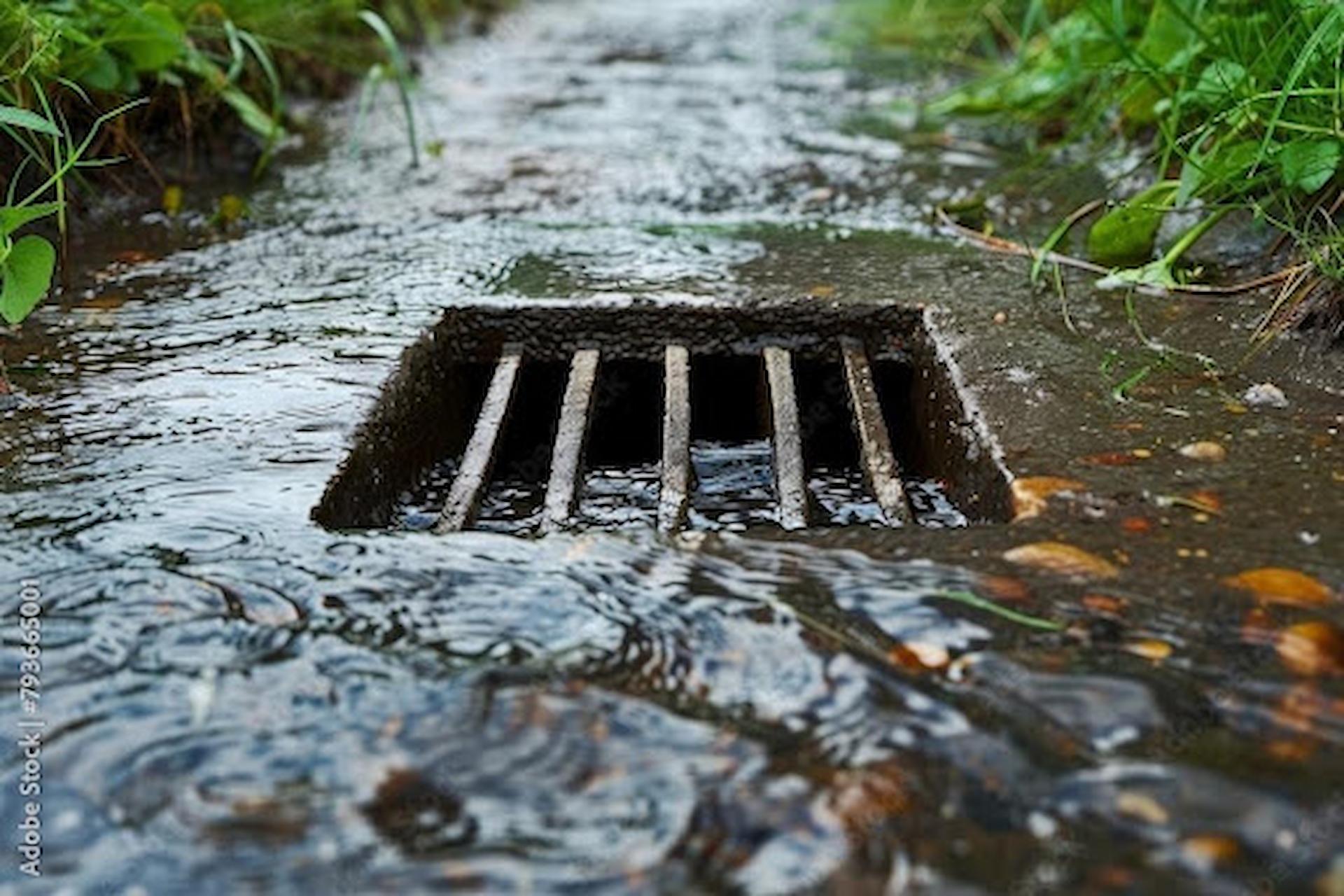
If you notice water collecting in your yard, driveway, or near your home’s foundation after rain, something’s not right. Healthy stormwater systems should channel water away quickly. Persistent puddles indicate the drainage isn’t working properly.
Slow Draining After Rainfall
Pay attention to how quickly water disappears after a storm. If your property takes much longer to dry out than your neighbours’ properties, your drains may be partially blocked. This slow drainage often worsens over time as the blockage grows.
Unpleasant Odours Near Drain Grates
A blocked drain often produces unpleasant smells. Stagnant water and decomposing organic matter create a distinctive odour you’ll notice near grates and pits. If you’re catching whiffs of something unpleasant, investigate further.
Overflowing Gullies And Pits
During heavy rain, watch your drainage pits and gullies. Water should flow into them smoothly and disappear. If water backs up, overflows, or struggles to enter the system, you’ve got a blockage somewhere downstream.
Can You Clear A Blocked Stormwater Drain Yourself?
Some blockages are simple enough for a handy homeowner to tackle. However, knowing your limits is crucial.
Diy Methods That Actually Work
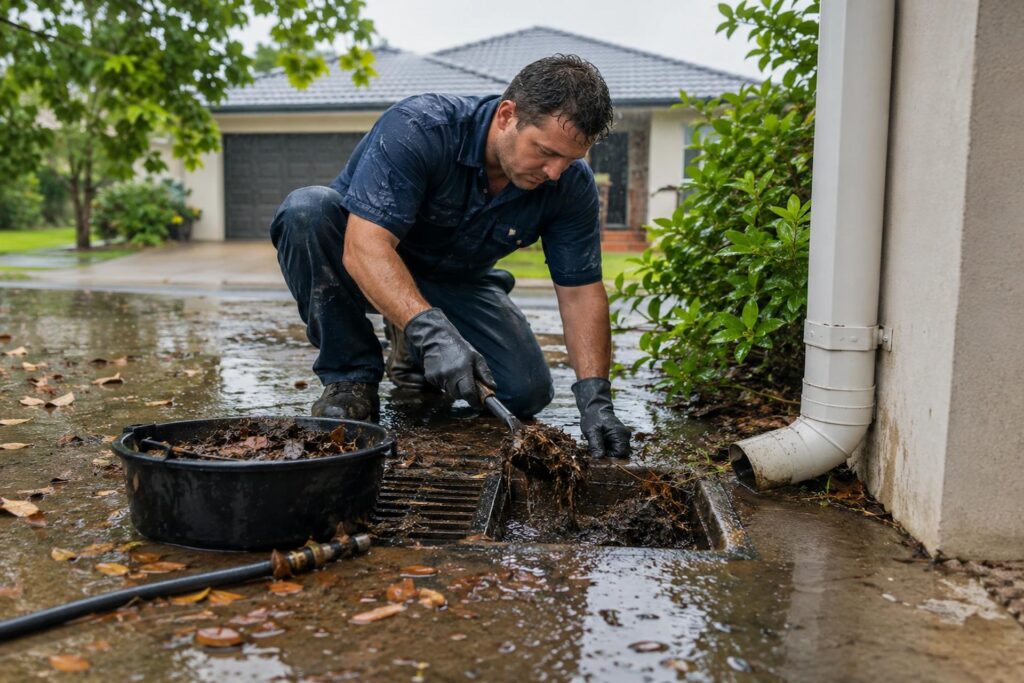
For minor blockages near the surface, you can often clear the problem yourself. Start by removing any visible debris from grates and pit openings. A garden hose can flush out light blockages – simply direct strong water pressure into the drain. For slightly deeper issues, a plumber’s hand snake can break up obstructions within reach.
Tools You’ll Need For Basic Drain Clearing
Keep these items ready for drain maintenance: sturdy gloves, a torch, a bucket for debris, a garden hose with a jet nozzle, and a basic drain snake or plumber’s auger. Protective eyewear is also wise when working around drain pits.
When DIY Becomes Risky
If water continues backing up despite your efforts, the blockage is likely deeper in the system. Tree root intrusion, collapsed pipes, and major debris accumulations require professional equipment. Plus, digging up pipes yourself can cause more damage and may violate local regulations. When in doubt, step back and call an expert.
How Do Professionals Unblock Stormwater Drains?
Licensed plumbers have access to specialist tools and techniques that make short work of stubborn blockages.
CCTV Drain Inspections
Before attempting any clearing work, professionals often send a small camera through your pipes. This CCTV inspection reveals exactly what’s causing the blockage and where it’s located. It takes the guesswork out of repairs and helps plumbers choose the right approach.
High-Pressure Water Jetting
A high-pressure water jetter blasts through blockages with incredible force. This method is particularly effective for removing built-up sediment, grease, and debris. The powerful stream scours pipe walls clean, restoring full flow capacity.
Drain Snaking And Mechanical Clearing
For tree roots and solid obstructions, plumbers use mechanical drain snakes with cutting attachments. These rotating tools can slice through roots and break apart hardened debris. It’s an effective method that’s been used successfully for decades.
Pipe Relining And Repair Solutions
When pipes are damaged, traditional repairs meant digging up your yard. Nowadays, pipe relining offers a less invasive alternative. A resin-coated liner is inserted into the damaged pipe and cured in place, creating a new pipe within the old one. This approach is quicker, cleaner, and often more cost-effective.
How Much Does It Cost To Clear A Blocked Stormwater Drain In Australia?
Costs vary considerably depending on the blockage’s severity and location. Basic drain clearing using a snake or jetter typically runs between $150 and $400. More complex jobs involving CCTV inspection and root cutting might cost $300 to $600. If pipe repairs or relining are necessary, expect to pay anywhere from $800 to several thousand dollars.
Emergency callouts and after-hours work attract premium rates, so addressing issues during business hours saves money. Always request a quote before work begins, and don’t hesitate to ask for a breakdown of costs.
Who Is Responsible For Blocked Stormwater Drain?
Understanding responsibility helps you know who to contact – and who pays for repairs.
Council vs Homeowner Responsibilities
Generally, homeowners are responsible for stormwater drains within their property boundaries. This includes pipes running under your land and connecting to the council’s main system. The council maintains public stormwater infrastructure, including drains along streets and in public areas. If you’re unsure where your responsibility ends, contact your local council for clarification.
Strata And Shared Property Considerations
In strata properties and unit complexes, responsibility often falls on the owners’ corporation for shared drainage infrastructure. Individual lot owners may be responsible for drains servicing only their property. Check your strata by-laws or consult your strata manager to understand your specific obligations.
How To Prevent Stormwater Drain Blockages
Prevention is always easier and cheaper than dealing with blockages.
Regular Maintenance Schedules
Make drain checks part of your routine property maintenance. Clear debris from grates monthly and after storms. Consider booking a professional inspection annually, especially if you have large trees nearby or older pipes.
Installing Drain Guards And Grates
Quality grates and drain guards catch debris before it enters your system. Mesh covers are particularly effective for stopping leaves and larger items. Make sure guards are securely fitted and clean them regularly.
Seasonal Preparation Tips
Before autumn arrives, trim overhanging branches and clear your roof gutters. In bushfire-prone areas, removing leaf litter also reduces fire risk. Before storm season, have your drains professionally inspected to catch any developing issues.
When Should You Call An Emergency Plumber For Stormwater Issues?
Not every blocked drain warrants an emergency callout, but some situations demand immediate action. If water is flooding into your home or threatening structural damage, call a plumber straightaway. Similarly, if sewage or contaminated water is backing up, you need urgent assistance.
Rising water near electrical installations, water seeping into your home’s foundations, or rapidly worsening flooding all justify emergency calls. In these situations, the cost of after-hours service is nothing compared to potential property damage.
Taking Action Before the Next Storm Hits
Dealing with blocked stormwater drain doesn’t have to be overwhelming. By understanding the causes, recognising early warning signs, and knowing when to call professionals, you’re well-equipped to protect your property. Regular maintenance and simple preventive measures go a long way toward keeping your drainage system flowing freely.
The key takeaway? Don’t wait for a major storm to expose drainage problems. Be proactive about inspecting and maintaining your stormwater system. Clearing debris, checking grates, and scheduling occasional professional inspections can save you from expensive emergency repairs down the track.
So, take a walk around your property today. Check those drain grates. Clear any visible debris. And if you spot any warning signs we’ve discussed, don’t ignore them. Your future self – standing dry and worry-free during the next downpour – will thank you for it.