
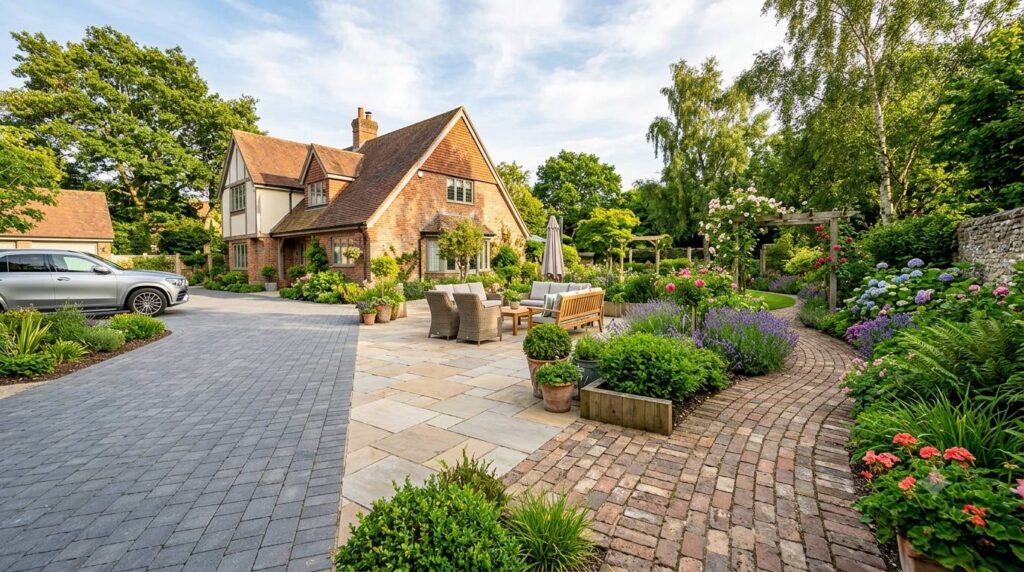
Selecting the right paving style for your property can significantly enhance both its practical utility and overall kerb appeal. A well-planned driveway or patio serves as a seamless extension of your living space, bridging the gap between indoor comfort and outdoor environment. With a vast array of materials, patterns, and finishes available today, making an informed choice requires balancing personal taste with functional requirements like drainage, load bearing, and maintenance.
Investing in quality paving materials ensures that your outdoor surfaces remain durable against the unpredictable British weather. Opting for tailored solutions such as New Forest Block paving allows homeowners to match the distinctive regional architecture while enjoying a resilient surface that handles daily traffic effortlessly. By carefully evaluating how different spaces are used—whether for parking heavy vehicles or entertaining guests on summer evenings—you can choose a layout that delivers long-term value and visual satisfaction.
Understanding Material Properties and Durability
The choice of material sets the foundation for your paving project’s longevity and maintenance demands. Natural stone options, such as sandstone and granite, offer unique textures and rich tones that age gracefully over time. On the other hand, concrete blocks and porcelain slabs provide precise uniform dimensions, making them excellent choices for crisp, modern aesthetic designs that require minimal upkeep.
Consider how each area of your garden or driveway will be used before settling on a specific material. High-traffic driveways demand robust, thick pavers, such as high-grade New Forest Block paving, that can support heavy axle loads without cracking or shifting under stress. Conversely, garden paths and patio areas allow for lighter materials where visual appeal, comfort underfoot, and slip resistance take priority over extreme structural strength.
Matching Paving Styles to Architectural Heritage
A successful paving project should complement the existing character of your home rather than compete with it. Traditional properties, such as period cottages or Victorian terraces, often pair best with tumbled stones, warm brick tones, and classic laying patterns like herringbone or basket weave. These traditional arrangements soften structural edges and harmonise naturally with mature garden surroundings.
For contemporary homes, sleek lines and minimalist layouts tend to work best. Large-format porcelain slabs, neutral grey tones, and smooth concrete finishes create an expansive feel that suits modern outdoor living. Matching the colour palette of your paving to your property’s exterior walls, window frames, or roof tiles establishes a cohesive look that unifies the entire plot.
Essential Layout Patterns and Visual Flow
The way paving units are laid exerts a strong influence on how large or small an outdoor area feels. Stretcher bond patterns offer a clean, linear presentation that can visually elongate a narrow path, while random coursing creates an informal, rustic feel perfect for relaxed patio settings.
- Herringbone Pattern: Interlocking pavers laid at 40-degree or 90-degree angles offer superior load distribution, making them ideal for driveways.
- Stretcher Bond: Simple offset rows that create a clean line, commonly used for garden pathways and narrow borders.
- Random Coursing: Utilises mixed paver sizes to form a varied, natural look ideal for stone patios and rustic gardens.
- Flemish Bond: Combines alternating long and short pavers to deliver a traditional, brick-style surface appearance.
Incorporating Practical Drainage and Maintenance
Proper drainage is an essential consideration for any outdoor paving installation to prevent surface water pooling and long-term structural degradation. Permeable paving options allow rainwater to filter naturally through joints into the sub-base below, reducing runoff into public sewers and complying with local Sustainable Drainage Systems regulations.
Routine maintenance needs vary depending on the chosen surface type, jointing compound, and local climate exposure. Sealed stone surfaces and non-porous porcelain require basic sweeping and occasional washing to stay pristine, whereas traditional stone may need periodic re-pointing and moss treatment. Factoring ongoing maintenance into your initial selection prevents unexpected effort down the road.
Summary
Choosing the right paving style for your driveways, patios, and garden areas involves a thoughtful assessment of function, aesthetics, and material performance. By evaluating how each space will be used and selecting patterns that complement your home’s architecture, you ensure a cohesive result that elevates your entire property. Taking time to select durable materials tailored to specific traffic demands safeguards your exterior against premature wear.
Ultimately, high-quality paving is a lasting investment that enhances your daily living experience and boosts overall property value. Prioritising sound installation practices, proper drainage planning, and manageable maintenance schedules will keep your outdoor surfaces looking exceptional for years to come. With the right combination of style and practicality, your driveway and garden will offer a welcoming backdrop to your home in every season.