Choosing the right radiator is about more than appearance. Panel, column and designer models differ in size, heat output, shape and visual impact. This guide explains where each type works best, what to check before buying, and how to match your radiator to your room, heating needs and interior style.
A radiator affects both room comfort and the way a wall looks, so choosing one deserves more thought than simply picking the right width. Panel radiators remain a practical choice for many homes, while column radiators bring a more traditional character. Designer models give you greater freedom with shape, finish and placement. The right option depends on heat demand, available wall space, room style and your heating system. With a broad choice of panel, column, vertical and designer options, Stelrad Radiators can suit different rooms without forcing you to choose between reliable warmth and an attractive finish for your home.
Panel Radiators: Practical Heating for Everyday Rooms
Panel radiators suit homes that need straightforward heating with a clean, familiar look. Single-panel models work well where depth is limited, while double and triple-panel options can provide higher heat output.
Choose by required heat output, not width alone. Check pipe positions, wall clearance and available depth before ordering, as these details affect both fitting and day-to-day comfort.
Column Radiators: Classic Character with Flexible Sizing
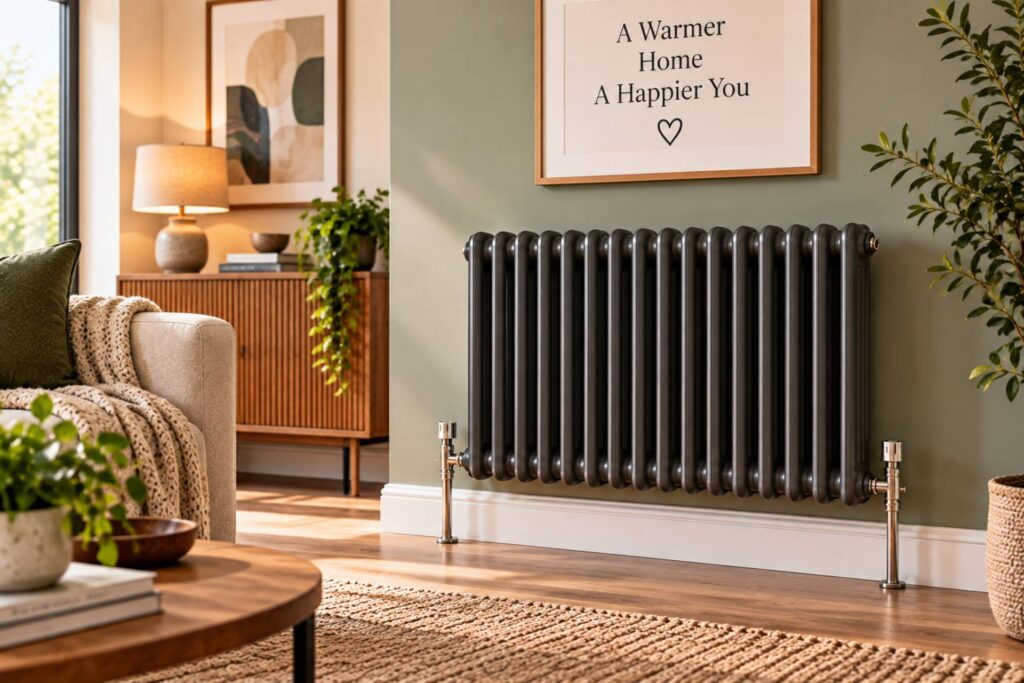
Column radiators bring a stronger decorative presence. Their repeated sections suit traditional interiors, yet modern finishes can work in contemporary rooms too. Horizontal and vertical versions give flexibility where wall proportions differ.
More columns usually create a deeper radiator and can raise heat output. Measure projection carefully, especially in narrow rooms, hallways or areas close to furniture.
Designer Radiators: Style with Purpose
Designer radiators are useful when the radiator will stay visible or a standard shape does not suit the room. Flat-front, lined, vertical, coloured and tubular styles give more freedom over placement and appearance.
Stelrad Radiators include designer choices across different shapes and finishes, but performance should still lead the decision. Match the radiator’s rated heat output to the room before choosing colour, shape or orientation.
How to Choose the Right Radiator Type
Start with the room’s heat-loss requirement, then look at usable wall space. Consider height, width and depth, plus doors, curtains and furniture that could block heat movement.
For a reliable result, compare radiator models by rated heat output. This gives a clearer basis for choosing between panel, column and designer options than appearance alone. If you are unsure, use a heat-loss calculator or ask a qualified heating professional to confirm the required output.
FAQs
Which radiator type is best for a small room?
A slim single-panel radiator or a vertical designer model can work well where wall space is tight, provided its heat output matches the room.
Are column radiators suitable for modern homes?
Yes. Their form is traditional, but modern colours, finishes and vertical layouts can suit contemporary interiors as well as period-style rooms.
Does a bigger radiator always give more heat?
No. Heat output depends on the radiator’s design, number of panels or columns, convectors, size and operating temperatures.
Should radiator style or heat output come first?
Heat output should come first. Once the room’s heating requirement is known, you can compare suitable models by style, dimensions and finish.
Conclusion
Panel, column and designer radiators can all heat a home effectively, but each suits a different mix of practical and visual needs. Panel models are often the simplest choice for everyday heating. Column radiators bring depth and traditional character, while designer radiators give greater freedom over shape, colour and placement. None should be chosen on appearance alone.