Why Hire Demolition Experts?
When a house needs to be taken down, the job is rarely simple. Demolition experts bring the knowledge, tools, and safety procedures that keep a project on track and protect neighbours, workers, and the environment. In Australia, the mix of strict building codes, asbestos regulations, and local council rules means that a DIY approach can quickly become risky and costly. By hiring demolition experts, you get a team that understands the legal steps, can manage waste responsibly, and can finish the job on time.
Key Services Offered by Demolition Experts
Full-House Demolition
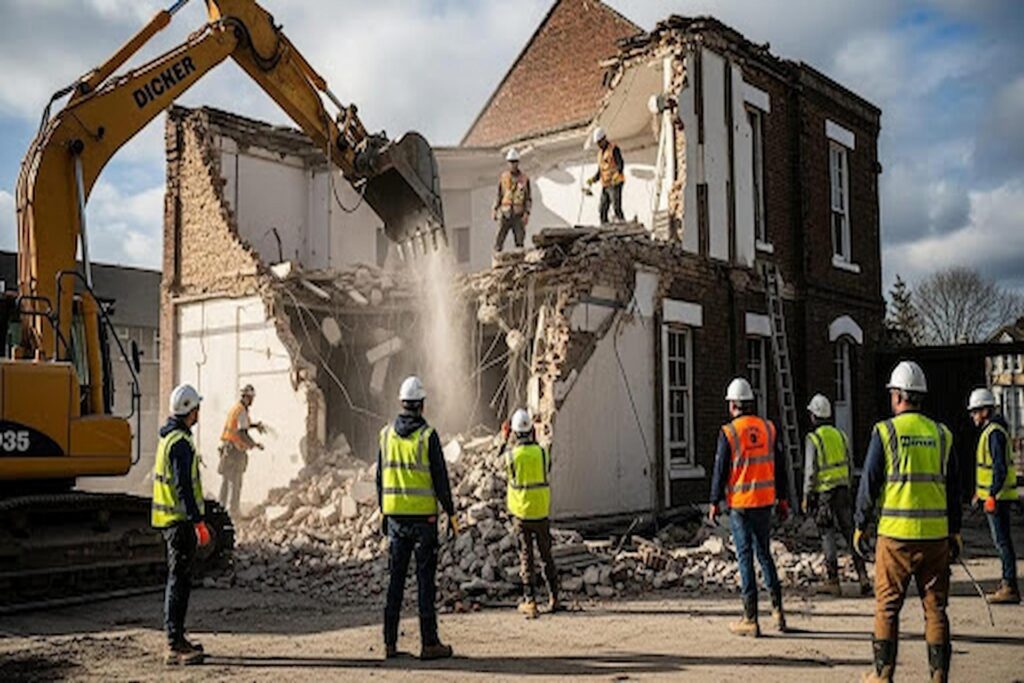
Full-house demolition is the most common request. Demolition experts assess the structure, disconnect utilities, and then bring down walls, roofs, and foundations safely. They use a mix of mechanical equipment such as excavators with hydraulic breakers, as well as manual methods when precision is needed.
Selective or Interior Demolition
Sometimes only part of a building needs removal. Selective demolition lets you keep sections that are still useful while stripping away the rest. This service is popular for renovations where the existing frame is sound but internal walls, floors, or services must be replaced.
Site Clearance and Waste Management
After the structure is down, demolition experts clear the site of debris, concrete, and any hazardous material. In Australia, waste must be sorted for recycling, landfill, or safe disposal of asbestos. Professionals coordinate with licensed waste carriers to meet state and territory requirements.
Regulations and Permits in Australia
Every state and territory has its own set of rules for demolition. The most common requirements include a demolition permit from the local council, a site safety plan, and, if asbestos is present, a licensed asbestos removal certificate. Below is a quick guide to the key regulations by region.
- New South Wales (NSW) – Follow the Environmental Planning Instruments (EPIs) and the Work Health and Safety Act. A demolition licence is required for structures over 2 m high.
- Victoria (VIC) – Obtain a permit under the Building Act 1993 and comply with the Occupational Health and Safety Regulations. Asbestos surveys must be done before any demolition work.
- Queensland (QLD) – Use the Building Act 1975 and the Workplace Health and Safety Act. A demolition licence is needed for any building with a floor area over 200 m².
- Western Australia (WA) – Follow the Building Act 2011 and the Occupational Safety and Health Regulations. Permits are issued by the local council and must include a traffic management plan if the site is on a public road.
- South Australia (SA) – The Development Act 1993 governs demolition. A site safety plan and a waste management plan are mandatory.
- Tasmania (TAS) – The Building Act 2016 and the Work Health and Safety Act apply. Demolition permits must be lodged with the council and include a noise control strategy.
- Northern Territory (NT) – The Building Code and the Work Health and Safety Act are the main references. A demolition licence is required for any commercial or residential building.
- Australian Capital Territory (ACT) – The Planning and Development Act 2007 and the Work Health and Safety Act guide demolition work. A permit is needed for any building over 1 m in height.
Choosing the Right Demolition Experts
Selecting a demolition partner is a decision that impacts safety, cost, and community relations. Use the checklist below to compare providers and find the best fit for your house demolition project.
- Check for a valid demolition licence in your state or territory.
- Confirm they have insurance covering property damage and worker injury.
- Ask for references from recent residential projects.
- Ensure they provide a clear, written quote that includes permits, waste disposal, and any required site remediation.
- Look for a company that follows the Australian Standard AS 2601 – Demolition and Site Clearance.
- Verify they have a plan for managing asbestos and other hazardous materials.
- Consider their reputation for respecting noise curfews and local council guidelines.
Cost Factors and Budgeting
The price of a house demolition can vary widely. The main factors that affect cost are:
- Size and complexity of the building – Larger homes with multiple floors require more time and equipment.
- Location – Urban sites with limited access may need additional labour and specialised machinery.
- Presence of asbestos – Certified asbestos removal adds both time and expense.
- Waste disposal fees – Recycling concrete and timber can reduce landfill costs, but hazardous waste must be sent to licensed facilities.
- Permit fees – Council charges differ by municipality.
- Site conditions – Sloped or unstable ground may need extra safety measures.
A typical residential demolition in Australia ranges from $15,000 to $45,000, but the exact figure will depend on the factors above. It is wise to request a detailed breakdown from demolition experts before signing a contract.
Safety and Environmental Considerations
Safety is at the heart of every demolition project. Australian demolition experts follow the Work Health and Safety (WHS) guidelines, which include:
- Conducting a risk assessment before work begins.
- Providing personal protective equipment (PPE) for all crew members.
- Setting up exclusion zones to keep the public away from the site.
- Monitoring air quality when asbestos or dust is present.
- Having emergency response plans in place.
Environmental impact is also a priority. Many demolition experts in Australia aim to recycle at least 70 % of the material they generate. Concrete can be crushed for reuse as aggregate, timber can be repurposed, and metal is sent to scrap yards. Choosing a team that tracks and reports recycling rates helps you meet sustainability goals and may reduce council fees.
Questions and Answers: Common Questions About Demolition Experts in Australia
Q: What permits do I need before hiring demolition experts?
You need a demolition permit from your local council, a site safety plan, and if asbestos is present, a licensed asbestos removal certificate. The exact paperwork varies by state, so ask your demolition experts to handle the application.
Q: How long does a typical house demolition take?
A standard single-storey home can be cleared in 3-5 days, while larger or more complex structures may need a week or more. Demolition experts will give you a timeline after the site assessment.
Q: Can demolition experts recycle the material from my house?
Yes. Most demolition experts sort concrete, timber, metal, and brick for recycling. They work with licensed waste carriers to ensure the material is processed according to Australian environmental standards.
Q: What happens if asbestos is found during demolition?
If asbestos is discovered, demolition experts must stop work, conduct a licensed asbestos survey, and arrange for safe removal. The cost and schedule will be adjusted, but the process follows strict health and safety rules.
Q: How do I choose a reliable demolition expert in my area?
Look for a valid demolition licence, insurance, positive references, and a clear written quote. Ask about their waste-management plan, safety procedures, and compliance with local council rules.
Conclusion: Your Path to a Successful Demolition Experts in Australia
Finding the right demolition experts is the first step toward a smooth house demolition. By understanding local regulations, checking licences, and asking the right questions, you can avoid costly delays and keep your project safe. Remember to budget for permits, waste disposal, and possible asbestos removal, and choose a team that values recycling and community impact. With these guidelines, you are ready to start your demolition journey and move confidently toward the next phase of your property plans.