Have you ever looked at a retaining wall and wondered how long it’ll actually last? What makes some walls stand strong for decades while others start crumbling after just a few years? And more importantly, how can you make sure your retaining wall doesn’t become one of those costly failures?
If you’re building a new retaining wall or worried about an existing one, you’re in the right place. Retaining walls do so much more than just hold back soil—they protect your property, prevent erosion, and can even boost your home’s value. But here’s the thing: a poorly constructed wall can turn into an expensive headache faster than you’d expect.
In this guide, we’ll walk you through everything you need to know about building a retaining wall that truly stands the test of time. From choosing the right materials to understanding drainage essentials, we’ll cover the key factors that determine whether your wall thrives or fails. Plus, we’ll share practical maintenance tips and help you know what to look for when hiring professionals. Let’s get stuck into it.
Understanding Retaining Wall Basics
A retaining wall is essentially a structure designed to hold back soil and prevent it from sliding or eroding. Think of it as a barrier that manages the lateral pressure of soil, particularly on sloped properties or where elevation changes occur. Without proper support, gravity would simply pull that soil downhill taking your garden, driveway, or even your home’s foundations with it.
In Australia, you’ll commonly find several types of retaining walls. Concrete sleeper walls are incredibly popular thanks to their durability and clean look. Timber sleeper walls offer a more natural aesthetic, while natural stone walls provide a classic appearance. Interlocking block systems have also gained traction for their ease of installation and versatility.
So, how long should a retaining wall actually last? A well-built wall using quality materials should serve you for 50 to 100 years. Timber walls typically have a shorter lifespan of around 20 to 40 years, depending on the wood type and treatment. Concrete and stone walls, on the other hand, can easily exceed 50 years with proper maintenance.
Key Factors That Affect Retaining Wall Durability
Understanding what affects your wall’s longevity is absolutely key to making smart decisions during construction.
Soil Type And Ground Conditions
The type of soil on your property plays a massive role in how your retaining wall performs. Clay soils expand and contract with moisture changes, putting extra pressure on your wall. Sandy soils drain well but may shift more easily. Rocky ground provides excellent stability but can be challenging to excavate. Before building, it’s worth getting a proper soil assessment.
Water Drainage And Moisture Management
Water is the number one enemy of retaining walls. When water builds up behind a wall, it creates hydrostatic pressure that can push the structure forward. This pressure increases dramatically after heavy rainfall, which is why proper drainage isn’t optional—it’s essential.
Climate Considerations For Australian Properties
Australia’s diverse climate means different regions face unique challenges. Coastal areas deal with salt exposure, while tropical regions experience intense rainfall. Even temperature fluctuations can cause materials to expand and contract. Your wall’s design should account for local weather patterns.
Load And Pressure Requirements
What’s sitting on top of or behind your wall matters enormously. Driveways, heavy garden features, or even foot traffic add surcharge loads that your wall must handle. A wall designed only for soil pressure might fail when you park your car too close to the edge.
Choosing The Right Materials For Long-Lasting Results
Selecting the right materials can mean the difference between a wall that lasts decades and one that fails within years.
Concrete Sleepers vs Timber Sleepers: Which Lasts Longer?
Concrete sleepers win hands down when it comes to longevity. They’re resistant to rot, termites, and moisture damage—common problems that plague timber sleepers. While treated timber can last 20 to 40 years, concrete sleepers often exceed 50 years with minimal maintenance. Plus, modern concrete sleepers come in various finishes that mimic timber’s natural look.
Natural Stone And Rock Retaining Walls
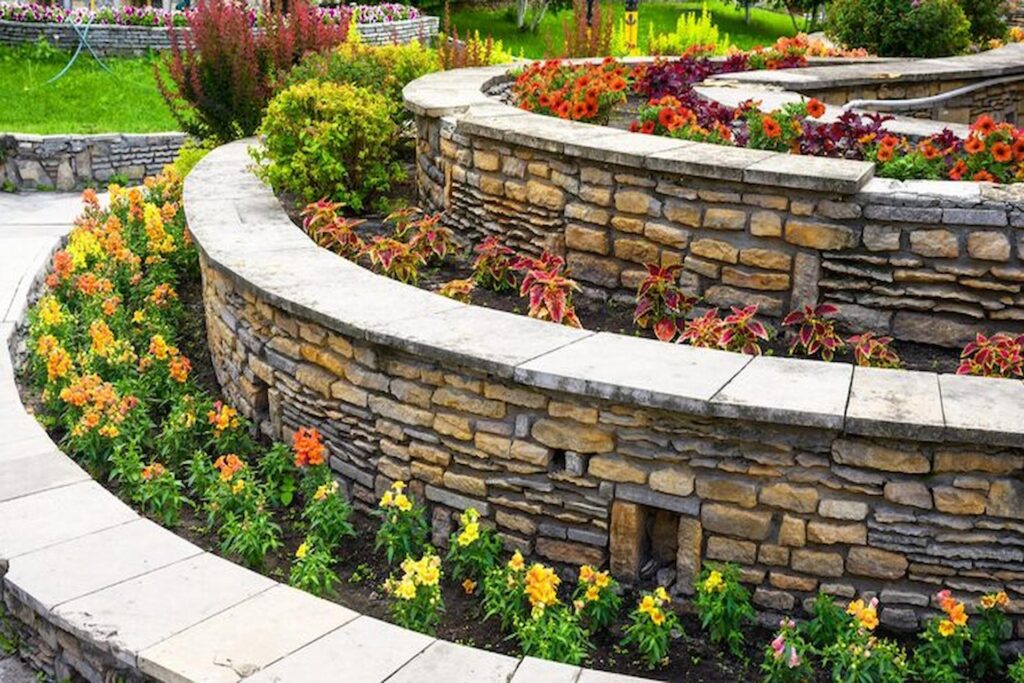
Natural stone walls are stunning and incredibly durable when built correctly. Sandstone, granite, and bluestone are popular choices across Australia. These walls require skilled craftsmanship but can last generations. They’re particularly suited to properties where aesthetics matter as much as function.
Interlocking Block Systems
Interlocking blocks are a fantastic option for DIY enthusiasts and professional builders alike. Their modular design makes construction straightforward, and the interlocking mechanism adds structural stability. Quality block systems can last 50 years or more and come in numerous colours and textures.
What’s the best material for a retaining wall in Australia? Honestly, it depends on your budget, aesthetic preferences, and site conditions. Concrete sleepers offer the best balance of durability, cost-effectiveness, and appearance for most residential applications.
Design And Engineering Essentials
Getting the design right from the start prevents costly problems down the track.
Why Proper Footings Are Non-Negotiable
Your wall’s footings are its foundation—literally. Without adequate footings, even the strongest materials will fail. Footings distribute the wall’s weight and the pressure it’s holding back across a larger area of ground. Skimping here is a recipe for disaster.
The Importance of Professional Engineering For Walls Over 1 Metre
In most Australian states, retaining walls over one metre in height require engineering certification. This isn’t just bureaucracy—it’s about safety. An engineer will assess soil conditions, calculate loads, and design a wall that meets Australian standards. For walls under one metre, professional advice is still worth considering if ground conditions are tricky.
Do You Need Council Approval For A Retaining Wall?
Council requirements vary across Australia, but generally, walls over 600mm to 1 metre need approval. Some councils have specific setback requirements or height restrictions. Always check with your local council before starting construction. Getting caught without proper approvals can result in fines or even demolition orders.
Drainage: The Secret To Retaining Wall Longevity
Poor drainage causes more retaining wall failures than any other factor. It’s that important.
How Does Poor Drainage Cause Retaining Walls To Fail?
When water can’t escape from behind your wall, it builds up and creates immense pressure. This hydrostatic pressure pushes against the wall constantly. During heavy rain, this pressure spikes dramatically. Over time, even the strongest wall will bow, crack, or collapse under sustained water pressure.
Installing Effective Drainage Systems
A proper drainage system includes several components working together. Agricultural drainage pipe (ag pipe) should run along the base of the wall behind the structure. Gravel backfill allows water to flow freely toward the drainage pipe. Weep holes at the wall’s base provide additional escape routes for water. Finally, proper surface drainage directs water away from the wall’s top.
Signs Your Retaining Wall Has Drainage Problems
Watch for these warning signs: water pooling at the wall’s base, damp patches or efflorescence (white mineral deposits) on the wall face, soil erosion near the wall, or unusual plant growth suggesting moisture accumulation. Catching drainage issues early can save your wall.
Common Retaining Wall Problems And How To Prevent Them
Knowing what can go wrong helps you take preventative action.
What Causes A Retaining Wall To Lean Or Bulge?
Leaning or bulging typically results from inadequate drainage, insufficient footings, or undersized construction for the loads involved. Tree roots can also push against walls, causing movement. Once a wall starts leaning, the problem usually accelerates—addressing it early is critical.
Cracking And Structural Movement
Some hairline cracks are normal as materials settle. However, cracks wider than 5mm, horizontal cracks, or cracks that grow over time indicate structural problems. These might signal foundation issues, excessive pressure, or material failure.
How To Stop A Retaining Wall From Failing
Prevention starts with proper construction. Make sure drainage systems function correctly. Avoid planting large trees directly behind walls. Don’t overload the area above or behind the wall. Conduct regular inspections and address small issues before they become major problems.
Maintenance Tips To Extend Your Retaining Wall’s Lifespan
Even the best-built walls benefit from regular care.
Create a simple inspection checklist: look for cracks, leaning, bulging, drainage issues, and vegetation growth in joints. Check after heavy rainfall and at least twice yearly. Clear drainage outlets of debris and remove any plants growing in or near the wall.
When should you repair versus replace? Minor cracks and small drainage improvements are usually repairable. However, significant leaning, major structural cracks, or widespread deterioration often mean replacement is more cost-effective than extensive repairs.
Hiring The Right Professionals
Choosing the right builder makes all the difference.
Look for builders with specific retaining wall experience, proper licensing, and insurance coverage. Ask for references and examples of similar projects. Request quotes that detail materials, drainage systems, and engineering requirements.
Is it worth getting multiple quotes? Absolutely. Three quotes give you a good understanding of fair pricing and allow you to compare approaches. The cheapest option isn’t always best—pay attention to what’s included.
Building For The Future: Final Thoughts
A retaining wall that withstands the test of time doesn’t happen by accident. It requires thoughtful material selection, proper engineering, excellent drainage, and ongoing maintenance. Cut corners on any of these elements, and you’re setting yourself up for expensive repairs or complete replacement down the track.
The good news is that building a durable retaining wall isn’t complicated when you understand the fundamentals. Choose quality materials suited to your conditions, invest in proper drainage, get engineering advice for taller walls, and maintain your wall regularly. These steps will serve you well for decades.
Whether you’re planning a new build or maintaining an existing wall, remember that a little attention now prevents major headaches later. Your retaining wall works hard every single day, holding back tonnes of soil and protecting your property. Give it the care it deserves, and it’ll reward you with decades of reliable service.