
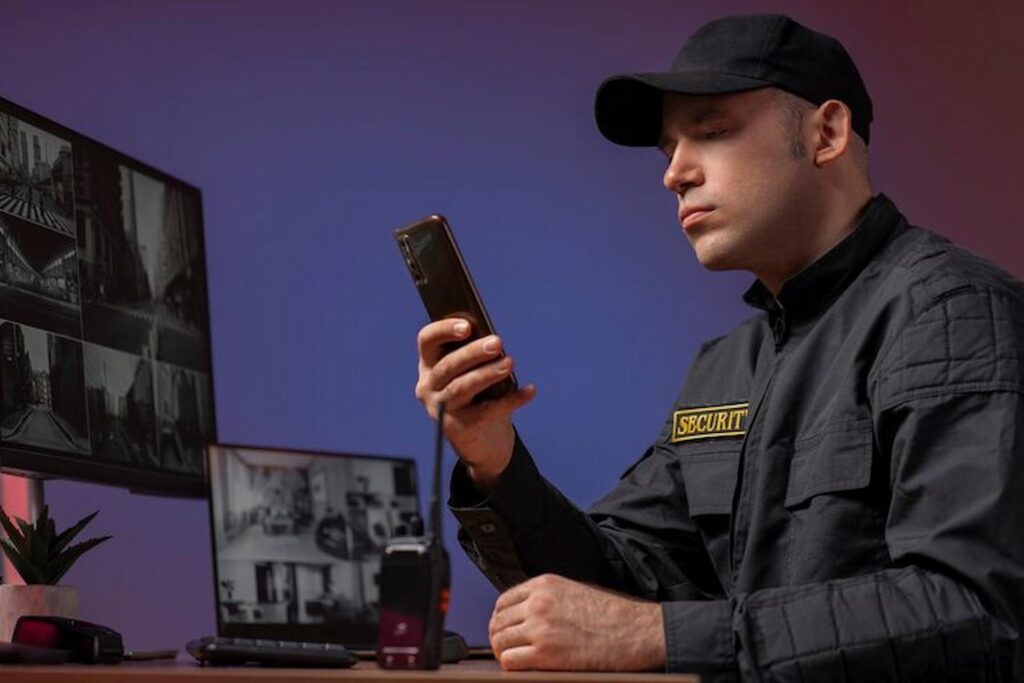
Hiring a security provider is a practical step towards protecting your property, staff, and assets. However, the effectiveness of any service depends heavily on how well the company understands your expectations from the outset. A clear and structured briefing ensures that there are no assumptions, gaps, or misunderstandings once patrols begin.
When working with professional mobile security guards, taking time to communicate your site’s unique requirements can make a significant difference. A well-briefed team is better prepared to respond quickly, act appropriately, and deliver consistent protection across all areas of your premises.
Understand Your Own Security Needs First
Before engaging a provider, it is essential to assess your own security priorities. Not all sites require the same level or type of monitoring, and clarity at this stage helps avoid over- or under-provision.
Start by identifying:
- Key risk areas such as entrances, storage zones, or restricted spaces
- The times when your site is most vulnerable
- Any past incidents or recurring concerns
- The level of visibility required from patrols
This internal evaluation allows you to provide meaningful direction rather than relying entirely on the provider to define your needs.
Provide a Detailed Site Overview
A thorough description of your site is one of the most valuable elements of your briefing. Security personnel cannot operate effectively without understanding the layout and operational environment.
Share details such as:
- Site size and boundaries
- Entry and exit points
- Access control systems in place
- Lighting conditions, especially at night
- Areas requiring frequent or irregular patrols
Where possible, provide maps, diagrams, or walkthroughs. Visual context reduces confusion and enables guards to familiarise themselves quickly with the surroundings.
Define Patrol Expectations Clearly
One of the most common gaps in communication relates to patrol routines. Simply requesting “regular patrols” is often too vague and can lead to inconsistent service delivery.
Instead, specify:
- Patrol frequency (e.g. hourly, randomised, or scheduled intervals)
- Duration of each patrol
- Key checkpoints or zones to be covered
- Whether patrols should be visible, discreet, or a combination
Clarity in these details ensures that the service aligns with your operational requirements and risk profile.
Outline Reporting and Communication Protocols
Effective security is not just about presence—it is also about communication. Establishing clear reporting expectations helps you stay informed and enables swift decision-making when needed.
Discuss:
- How incidents should be reported (real-time alerts, written reports, or both)
- The format and frequency of routine reports
- Who should receive updates and escalation notifications
- Preferred communication channels (phone, email, or digital platforms)
This structure ensures that important information is neither delayed nor overlooked.
Highlight Specific Risks and Scenarios
Every site has unique vulnerabilities. Whether it is unauthorised access, vandalism, theft, or health and safety concerns, these risks should be communicated clearly during the briefing.
Provide examples of:
- Previous incidents or near misses
- High-value assets that require extra attention
- Areas with limited visibility or access challenges
- Any sensitive operations or restricted activities
By sharing this context, you enable security personnel to respond more effectively and proactively.
Clarify Access and Authorisation Procedures
Security teams often play a role in managing access to your site. Without clear instructions, this can lead to confusion or inconsistent enforcement.
Make sure to define:
- Who is authorised to enter the premises
- Visitor management processes
- Procedures for verifying identity
- Protocols for handling unauthorised individuals
Consistency in access control is essential for maintaining a secure environment.
Set Expectations Around Professional Conduct
Security personnel represent your organisation as much as they protect it. Their conduct, appearance, and interaction with others should reflect your standards.
Outline expectations related to:
- Dress code or uniform requirements
- Behaviour when interacting with staff, visitors, or the public
- Response etiquette during incidents
- Adherence to your organisation’s policies and values
This helps maintain a professional image while ensuring that security operations run smoothly.
Discuss Emergency Response Procedures
No security briefing is complete without addressing emergency scenarios. Guards must understand exactly how to respond in situations that require immediate action.
Cover:
- Fire safety procedures and evacuation routes
- Medical emergencies and first aid protocols
- Coordination with emergency services
- Escalation procedures for serious incidents
Providing clear guidance ensures that responses are timely, organised, and aligned with your broader safety plans.
Agree on Performance Monitoring and Feedback
Security services should be reviewed regularly to ensure they continue to meet expectations. Establishing performance metrics from the start helps maintain accountability.
Consider:
- Key performance indicators such as response times and patrol completion
- Methods for tracking activity (e.g. digital patrol logs)
- Scheduled review meetings
- A clear process for raising concerns or making adjustments
Ongoing feedback allows the service to evolve alongside your needs.
Ensure Legal and Compliance Requirements Are Met
Depending on your industry and location, there may be specific legal or regulatory requirements related to security operations. These should be discussed upfront to avoid compliance issues later.
This may include:
- Licensing requirements for security personnel
- Data protection considerations when monitoring or reporting
- Health and safety obligations
- Industry-specific regulations
A reputable provider will typically guide you through these aspects, but it is still important to raise them during the briefing.
Build a Collaborative Working Relationship
Finally, it is important to view your security provider as a partner rather than a standalone service. Open communication and mutual understanding lead to better outcomes over time.
Encourage:
- Regular dialogue between your team and the security provider
- Sharing of updates or changes in site operations
- Flexibility to adapt patrols as needs evolve
A collaborative approach ensures that security measures remain relevant and effective.
Conclusion
Briefing a mobile security guard company is not simply a formality—it is a critical step that shapes the effectiveness of the entire service. By clearly outlining your site, expectations, risks, and procedures, you create a strong foundation for reliable and responsive security.
Taking the time to communicate thoroughly at the beginning reduces the likelihood of issues later and ensures that your security team operates with confidence and clarity. In the long term, this structured approach leads to better protection, improved efficiency, and greater peace of mind.