Winter in Australia has a way of sneaking up on us. One day you are enjoying the tail end of a warm autumn, and the next, you are waking up to frost on the grass and a house that feels like an icebox. For many Australian families, especially in regions like Victoria and Canberra where the chill really sets in, reliable warmth is non-negotiable. This is where a robust duct heating system becomes the heart of the home.
However, like any hardworking appliance, these systems can run into trouble. It is frustrating when you switch on your heater hoping for cozy warmth, only to be met with strange noises, cold air, or worse—silence. Understanding the basics of how your unit works and recognizing early warning signs can save you from an uncomfortable weekend waiting for a technician.
In this guide, we will walk through the most frequent issues homeowners face with their heating setup. We will look at practical fixes, when to call a professional, and how to maintain your system to suit the Australian climate and safety standards.
1. Blowing Cold Air or Uneven Heating
There is nothing quite as disappointing as standing over a vent expecting a rush of warmth and getting a blast of cold air instead. Or perhaps the living room is toasty, but the bedrooms are freezing. This is one of the most frequent complaints regarding a duct heating system.
Why It Happens
Several factors can cause this. Often, it is as simple as the thermostat settings. If the fan is set to “ON” rather than “AUTO,” the fan runs continuously even when the heating element is off, circulating cool room-temperature air.
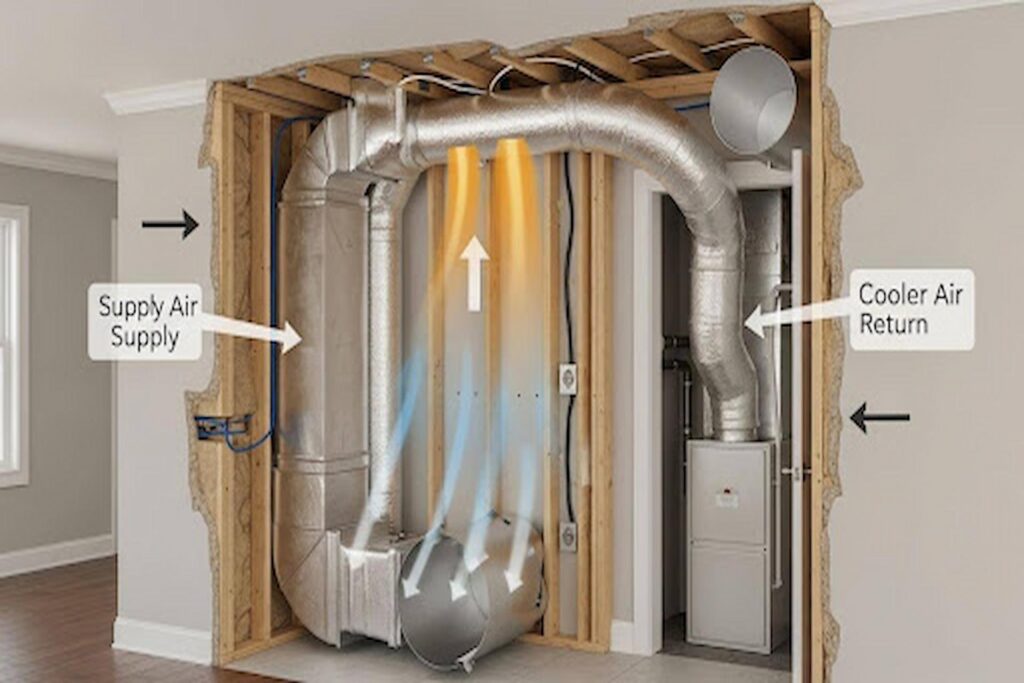
In older Australian homes, the issue might be torn or crushed ductwork. Our native wildlife, like possums or rats, love to make homes in roof cavities. They can easily tear flexible ducting, causing the warm air to escape into the roof space rather than your living areas. This leads to a massive loss of efficiency and heat.
How to Fix It
Check the Thermostat: Ensure your fan setting is on “AUTO.” This ensures the fan only blows when the heater is actively warming the air.
Inspect the Zones: If you have a zoned system (common in larger Aussie homes to save energy), check if the controller has accidentally shut off specific zones.
Visual Inspection: If you feel safe doing so, pop your head into the manhole or crawl space. Look for any obvious tears in the silver ducting. If you see damage, the ducting needs replacement.
Pilot Light: For gas systems, if the air is totally cold, the pilot light may have gone out.
2. The System is Making Strange Noises
A well-functioning duct heating system should be felt, not heard. While a gentle hum of air is normal, banging, whistling, or rattling sounds are not. These noises can indicate mechanical stress or airflow restrictions that need immediate attention.
Types of Noises and Causes
Banging or Popping: This is often the metal ducts expanding and contracting as they heat up and cool down. While sometimes normal, loud banging can suggest the ducts are not secured properly.
Whistling: This usually means airflow is restricted. It implies the system is “gasping” for air, likely due to a blocked return air grille or a very dirty filter.
Rattling: Loose panels or screws on the main unit can cause vibration noises. In worse cases, it could mean the fan motor is becoming unbalanced.
How to Fix It
Clean the Filters: This is the most important DIY maintenance task. Pull out the return air filter (usually found in a hallway or common area) and give it a good clean. This often stops whistling sounds immediately.
Secure Loose Panels: If the noise is coming from the main unit outside or in the roof, check for loose screws on the casing.
Professional Service: If the noise sounds like metal grinding on metal, shut the system off immediately. This indicates a motor or bearing failure, and running it will cause more damage.
3. The Unit Cycles On and Off Too Frequently
This behavior is known as “short cycling.” Your duct heating system turns on for a few minutes, shuts off, and then turns back on again shortly after. This puts immense strain on the components and prevents the house from reaching a stable temperature.
Why It Happens
The most common culprit is a dirty air filter blocking flow, causing the internal safety switch (limit switch) to trip because the unit is getting too hot. Alternatively, the thermostat might be placed in a bad spot. If the thermostat is directly under a heating vent or in direct sunlight, it “thinks” the room is hot and shuts the heater off prematurely.
In the context of Australian home improvement, oversizing is also an issue. If a heater is too powerful for the size of the house, it heats the space too fast and shuts off, leading to a constant stop-start cycle.
How to Fix It
Filter Check: Again, check the return air filter. A blocked filter is the root of many heating evils.
Thermostat Location: Ensure no heat sources (lamps, direct sun, or heating vents) are affecting the thermostat sensors.
Vent Check: Make sure all your floor or ceiling vents are open. Closing too many vents increases pressure in the system, which can cause it to overheat and shut down.
4. Unusually High Energy Bills
We all know energy prices in Australia have been climbing. However, if your winter gas or electricity bill has spiked significantly without you changing your usage habits, your duct heating system is likely running inefficiently.
Why It Happens
As systems age, they lose efficiency. An old unit might be working twice as hard to produce the same amount of heat. Leaking ducts are a major energy thief; you are essentially paying to heat your roof cavity. Poor insulation in the home also contributes, as the heater fights a losing battle against heat loss.
How to Fix It
Duct Integrity Test: Have a professional test your ducts for leaks. Resealing or replacing old ductwork can improve efficiency by a huge margin.
Regular Servicing: A technician can clean the burners and fans, ensuring the unit runs smoothly. A well-tuned machine uses less energy.
Upgrade Consideration: If your unit is over fifteen years old, the technology is likely outdated. Modern systems have much higher star ratings and energy efficiency zoning capabilities.
5. Poor Air Quality and Allergies
When you turn on your duct heating system for the first time in winter, do you get a distinct burning smell or start sneezing? The air quality in your home is directly linked to the condition of your ducts.
Why It Happens
Over the year, dust, pet dander, pollen, and even mould can accumulate inside the ductwork. When the fan kicks in, these particles are blown throughout the house. In humid parts of Australia, moisture can sometimes get into ducts, promoting mould growth which is a serious health hazard.
How to Fix It
Duct Cleaning: Professional duct cleaning involves using high-pressure compressed air and vacuums to remove built-up dust and debris from the entire network.
Check for Moisture: Ensure there are no water leaks in your roof that could be dampening the insulation around your ducts.
Carbon Monoxide Testing: This is critical. In Australia, specifically Victoria, it is highly recommended (and in rentals, mandatory) to have gas heaters tested for carbon monoxide leaks every two years. A crack in the heat exchanger can leak this odorless gas into your home.
Questions and Answers: Common Questions About duct heating system in Australia
Q: How often should I service my duct heating system?
In Australia, the general recommendation is to have your system serviced every two years. However, for gas systems, safety is paramount. Energy Safe Victoria and other state bodies suggest regular Carbon Monoxide testing. If your unit is older than ten years, annual checks are a safer bet to ensure efficient running and family safety.
Q: Is it better to repair or replace an old duct heating system?
This depends on the age of the unit. If your system is over fifteen years old and requires a major repair (like a new motor or heat exchanger), it is often more economical to replace it. New models are far more energy-efficient, meaning the savings on your gas or electricity bills can help offset the installation cost over time. If the unit is relatively new, repair is usually the way to go.
Q: Can I run cooling through my existing duct heating system?
This is a very common question. It depends on your ductwork. Standard gas heating ducts are sometimes too small or not insulated heavily enough to handle refrigerated cooling (add-on cooling). To run cooling, the ducts need to be “X-rated” or properly insulated to prevent condensation. You should consult a specialist to see if your current setup is compatible with add-on cooling.
Q: Why does my heater smell when I turn it on after summer?
That smell is usually dust burning off the heat exchanger. Since the unit hasn’t been used for months, dust settles on the internal components. When the burners ignite, that dust gets singed. It is usually harmless and should disappear within an hour. If the smell persists or smells like gas or burning plastic, turn the unit off and call a professional immediately.
Q: What is the best temperature to set my thermostat to in winter?
For the best balance between comfort and energy efficiency, aim for a setting between 18°C and 20°C. Every degree higher can add significantly to your energy usage. Wearing a jumper indoors allows you to keep the thermostat lower, saving you money while keeping your duct heating system from working overtime.
Conclusion: Your Path to a Successful duct heating system in Australia
Maintaining a comfortable home environment during the Australian winter requires a little bit of attention and care. Your duct heating system is a significant investment in your property and your family’s comfort. By keeping an eye out for these five common problems—uneven heating, strange noises, short cycling, high bills, and air quality issues—you can catch small problems before they become expensive breakdowns.
Remember that while checking filters and vents are great DIY tasks, the internal mechanics of gas and electric heaters require professional hands. In areas like Melbourne and surrounds, ensuring your system is safe from carbon monoxide leaks is not just about comfort; it is about safety.
Regular maintenance ensures your system runs efficiently, keeps your energy bills under control, and extends the lifespan of the unit. Whether you are in Maroondah or the wider suburbs, taking proactive steps today ensures that when the temperature drops, your home remains a warm, safe sanctuary. Don’t wait for the coldest night of the year to realize your heating needs help; a little preparation goes a long way.