
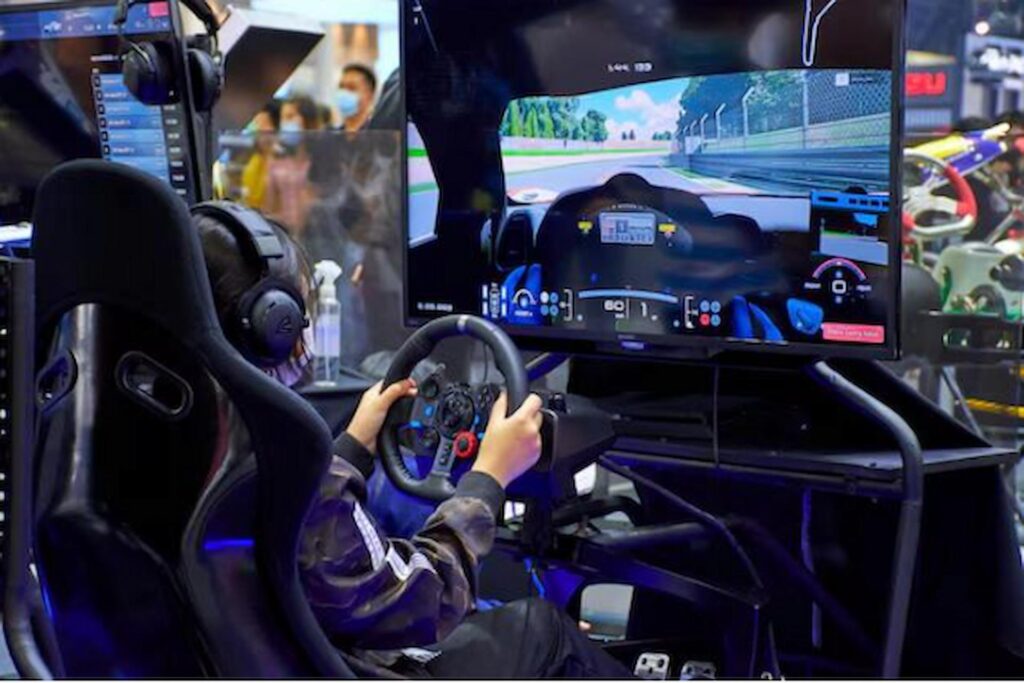
Professional sim racing demands more than quick reflexes. Behind every fast lap is a structured training routine that sharpens precision, consistency, and focus. From disciplined practice sessions to equipment familiarisation, professional drivers use specialised methods to improve performance and maintain control under pressure in the highly competitive world of digital motorsport.
Sim racing has grown into a competitive form of digital motorsport where preparation and precision matter as much as speed. Professional drivers spend significant time refining their techniques, studying tracks, and improving consistency behind the virtual wheel.
Many racers train with advanced simulator setups that deliver accurate steering feedback and control. High-performance equipment platforms, including systems built around Simagic, allow drivers to better understand how the virtual car responds. This realistic feedback helps them develop smoother driving techniques and maintain consistent performance during races.
The Discipline Behind Digital Racing
Sim racing has developed into a serious competitive discipline that demands structured practice and strong focus. Professional drivers approach training much like traditional athletes, prioritising consistency, precision, and the ability to deliver fast laps repeatedly under pressure.
A crucial part of improvement comes from practising with reliable equipment that offers accurate feedback and precise control. Many competitive drivers prefer advanced hardware systems built around Simagic, as responsive steering and pedal accuracy help drivers better understand vehicle behaviour on track.
Training sessions are usually planned carefully. Drivers spend time analysing track layouts, refining reaction times, and adjusting their driving style for different cars. Instead of relying only on instinct, they follow structured techniques that gradually improve performance and maintain consistency during long racing sessions.
Structured Practice and Consistency
Professional sim racers rarely enter races without preparation. Instead, they follow structured practice routines to become familiar with each track and car combination.
Sessions usually start with slower reconnaissance laps to learn braking points, corner shapes, and track elevation. Once comfortable, drivers gradually increase speed while maintaining control.
The main goal is consistency rather than a single fast lap. Drivers aim to repeat similar lap times to build muscle memory and improve decision-making. After each session, they review lap data and adjust braking or steering inputs. This disciplined approach helps reduce mistakes and maintain stable performance during competitive races.
Improving Precision Through Hardware Familiarity
Sim racing depends heavily on equipment precision. Professional drivers spend time learning how their steering wheel, pedals, and simulator settings respond to different inputs.
Understanding hardware behaviour helps racers refine their driving technique. Smooth steering corrections, controlled braking, and steady throttle inputs all rely on accurate simulator feedback.
Advanced setups built around Simagic provide detailed feedback that helps drivers detect subtle changes in vehicle balance. Drivers also adjust simulator settings, including steering sensitivity and pedal calibration, to find the right balance between responsiveness and control.
Developing Mental Focus and Reaction Control
Mental preparation plays a crucial role in professional sim racing performance. Competitive races demand intense concentration, particularly when drivers must make rapid decisions at high virtual speeds.
To improve focus, drivers train their reaction times and situational awareness. They practise responding quickly to changing track conditions, sudden braking events, and traffic situations during races.
Maintaining calm under pressure is another important skill. Competitive events often involve close racing where a single mistake can cost valuable positions. Professional drivers train themselves to stay composed and avoid overreacting during stressful moments.
Many racers also structure their training sessions to simulate race conditions. Long practice runs help drivers build endurance and maintain concentration for extended periods. This preparation ensures they remain consistent even during demanding competitions.
Learning Track Knowledge and Racing Strategy
Track knowledge forms the foundation of competitive sim racing performance. Professional drivers invest time in studying circuits to understand every braking zone, corner entry, and exit point.
Memorising the rhythm of a track helps drivers anticipate upcoming corners and prepare their driving inputs in advance. This anticipation leads to smoother driving lines and improved speed through complex sections.
Strategic thinking also becomes part of training. Drivers practise overtaking techniques, defensive positioning, and race pacing. Understanding when to push for faster lap times and when to preserve consistency can influence race outcomes.
Training sessions often focus on specific parts of a circuit where time gains are possible. Drivers isolate challenging corners and practise them repeatedly until their technique becomes reliable.
Actionable Training Tips for Aspiring Sim Racers
Professional training methods can also benefit beginners who want to improve their sim racing performance. Adopting a structured approach can accelerate learning and reduce common mistakes.
- Focus on consistency first. Aim to complete multiple laps within a narrow time range before trying to set faster lap records.
- Learn braking points carefully. Consistent braking distances help maintain control when entering corners.
- Use practice sessions strategically. Spend time studying the track rather than immediately entering competitive races.
- Adjust equipment settings gradually. Small changes to steering or pedal sensitivity can improve comfort and control.
- Train in longer sessions. Extended practice helps build endurance and improves concentration during races.
Applying these habits regularly can lead to noticeable improvements in driving control and confidence.
Continuous Improvement Through Technology
Modern sim racing technology plays an important role in driver development. Detailed simulation software recreates track conditions with remarkable accuracy, allowing drivers to practise in environments that closely resemble real racing circuits.
High-precision hardware enhances this experience by translating driver inputs into accurate vehicle behaviour. Equipment platforms developed around Simagic technology contribute to this level of precision, allowing drivers to feel subtle steering resistance and road feedback during practice sessions.
This combination of advanced software and responsive hardware creates a training environment where small improvements become measurable. Drivers can experiment with new techniques, analyse performance data, and gradually refine their driving style.
The result is a learning process that rewards patience, discipline, and continuous practice.
Conclusion
Professional sim racing drivers succeed because they approach the sport with structure and discipline. Their training focuses on consistency, equipment familiarity, mental focus, and detailed track knowledge. Rather than relying on instinct alone, they develop repeatable techniques that improve performance over time.
By following similar training methods, aspiring racers can steadily improve their skills. Structured practice, careful analysis, and the use of reliable racing hardware allow drivers to build confidence and control. With patience and dedication, these techniques transform casual gameplay into a more refined and competitive sim racing experience.