When the Australian summer hits, keeping indoor spaces cool becomes the top priority. Whether you are managing a large home with extensive open-plan living areas, a multi-story property, or a small business setup attached to a residence, the cost of comfort can be steep. Electricity prices continue to rise, making energy efficiency more than just a buzzword; it is a financial necessity. This is where modern Commercial Air Conditioning Systems come into play.
Many people assume that these robust systems are strictly for skyscrapers or shopping centres. However, the technology found in Commercial Air Conditioning Systems is increasingly being adapted for large residential and mixed-use properties. These units are designed to run for long periods, handle high heat loads, and, most importantly, manage energy consumption with incredible precision. By upgrading to or installing a modern system, property owners can see a drastic reduction in their power usage, effectively cutting energy bills significantly.
The Evolution of Cooling Technology
In the past, air conditioning was a simple on-or-off affair. The compressor would run at full capacity until the room reached the desired temperature and then shut off. When the room warmed up, it would kick back on at full power. This stop-start cycle consumes a massive amount of electricity, similar to the fuel used when driving a car in stop-and-go city traffic.
Modern Commercial Air Conditioning Systems utilise inverter technology. Instead of stopping and starting, the compressor speeds up or slows down to maintain a consistent temperature. It is like using cruise control on a highway. The system works harder to reach the set temperature, but once there, it coasts along using very little power. This shift in operation is the primary reason why newer units are so much cheaper to run.
Understanding Variable Refrigerant Flow
One of the most efficient technologies available in Commercial Air Conditioning Systems is Variable Refrigerant Flow (VRF) or Variable Refrigerant Volume (VRV). While these terms sound technical, the concept is simple and offers massive benefits for large properties.
In a standard ducted system, the unit pumps cold air to every vent, regardless of which rooms are occupied. A VRF system, however, circulates only the minimum amount of refrigerant needed during a single heating or cooling period. This allows you to maintain individual zone control. You can heat one room while cooling another, or simply turn off the air conditioning in unoccupied spaces completely.
For a large home or office space in Melbourne, where the weather can vary wildly, this capability is essential. You might have a west-facing room baking in the afternoon sun that needs heavy cooling, while a south-facing room remains naturally cool. Commercial Air Conditioning Systems with VRF technology adjust the output for each specific zone, ensuring energy is not wasted cooling a room that does not need it.
The Importance of Zoning for Energy Efficiency
Zoning is perhaps the most effective way to reduce running costs. In many older setups, turning on the air conditioner meant cooling the entire building. This is inefficient if you are only using the living room or the master bedroom.
High-quality Commercial Air Conditioning Systems allow for sophisticated zoning. You can divide your property into distinct areas. During the day, you might only cool the living areas and home office. At night, the system shifts to cool only the bedrooms.
By not conditioning the air in empty rooms, you reduce the workload on the unit. A reduced workload means the compressor runs at a lower speed, consuming less electricity. Over a quarter, this targeted approach to cooling can result in substantial savings on your energy bill.
Smart Controls and Automation
We live in a connected world, and your climate control should be part of that ecosystem. Modern Commercial Air Conditioning Systems come equipped with smart controls that integrate seamlessly with Wi-Fi and home automation platforms.
Remote Access
Imagine leaving work on a scorching 40-degree day. Instead of coming home to an oven or leaving the AC on all day (wasting money), you can open an app on your phone and turn the system on 20 minutes before you arrive. You walk into a cool environment without having wasted eight hours of electricity.
Scheduling and Sensors
Advanced controllers allow for 7-day scheduling. You can program the system to align with your routine perfectly. Furthermore, some systems utilize motion sensors. If a room is empty for a set period, the system effectively reduces its output or switches to a standby mode. These small, automated adjustments accumulate to provide significant energy savings.
Durability and Longevity
There is a distinct difference in build quality between standard budget units and robust Commercial Air Conditioning Systems. Commercial-grade units are built to withstand harsh conditions and continuous operation. They use higher-quality components that are less prone to wear and tear.
When a system runs efficiently and does not struggle to maintain temperature, it lasts longer. A unit that is constantly straining against a high heat load because it is undersized or poorly made will fail sooner. investing in a proper commercial-grade solution means you are not only saving on monthly bills but also delaying the expensive cost of replacement.
Navigating Local Climate Challenges
The climate in Victoria, particularly around Melbourne and the Maroondah region, is unique. We experience dry heat, humidity, and rapid temperature drops. A system designed for the tropical north might not suit the fluctuating needs of the south.
Commercial Air Conditioning Systems designed for the Australian market are tested against these extremes. They feature wide operating ranges, meaning they can still provide heating when it is freezing outside and cooling when the temperature soars above 40 degrees.
Proper insulation works hand-in-hand with your air conditioner. In local homes, ensuring that roof and wall insulation is up to standard will help your system perform even better. The unit removes the heat, and the insulation stops it from coming back in.
Installation Quality Matters
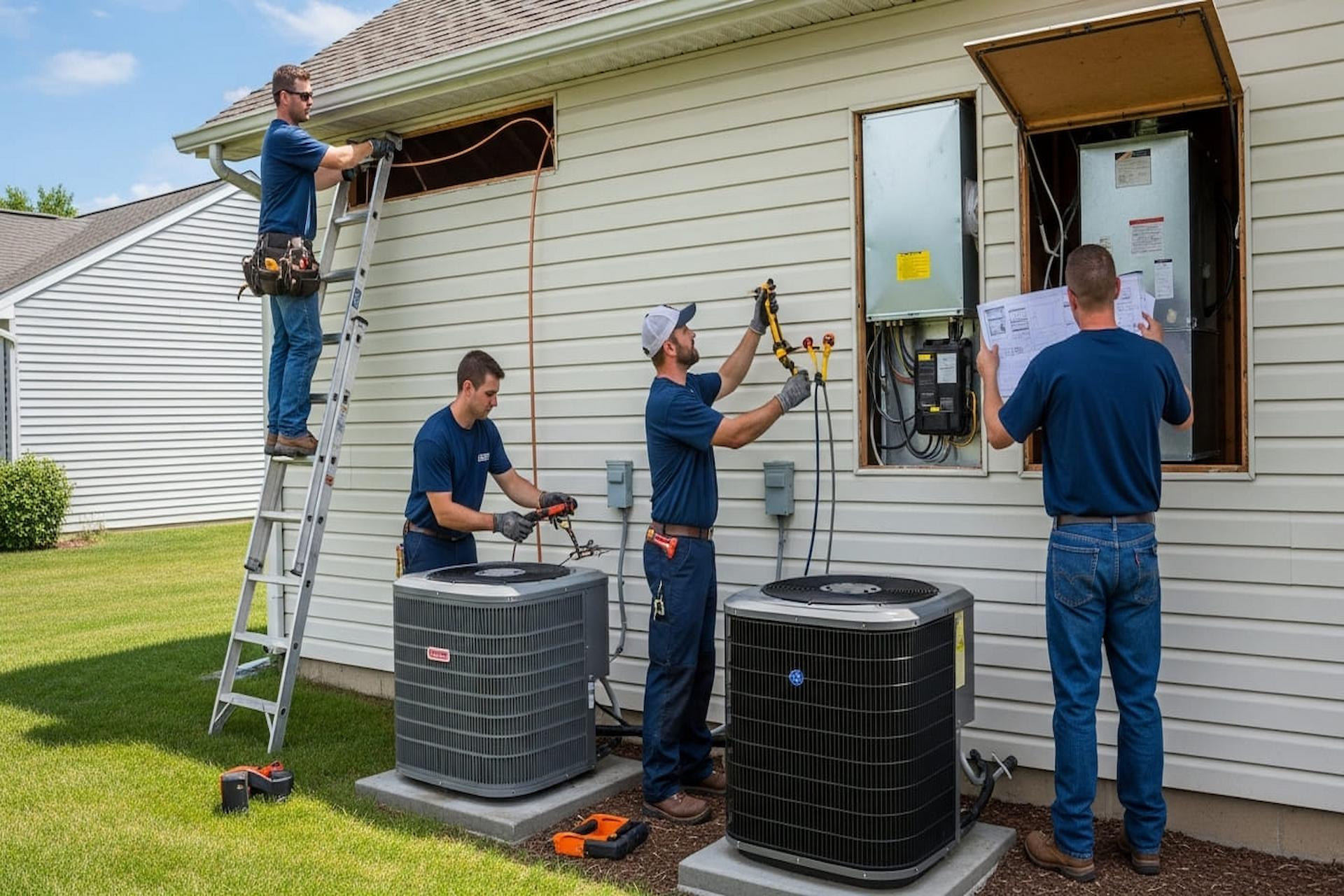
Even the most expensive, high-efficiency unit will perform poorly if installed incorrectly. The installation of Commercial Air Conditioning Systems requires specialized knowledge. This includes:
Correct Sizing: A unit that is too small will run constantly, driving up bills. A unit that is too big will “short cycle,” turning on and off rapidly, which wears out parts and fails to dehumidify the air.
Ductwork Design: Leaky or poorly planned ducts can lose a vast amount of cooled air before it ever reaches your rooms.
Refrigerant Charge: The amount of refrigerant must be precise for the system to run efficiently.
Engaging a local specialist who understands the specific building codes and energy regulations in Australia is vital. They ensure the system complies with all safety standards and operates at peak efficiency from day one.
Maintenance: The Key to Sustained Efficiency
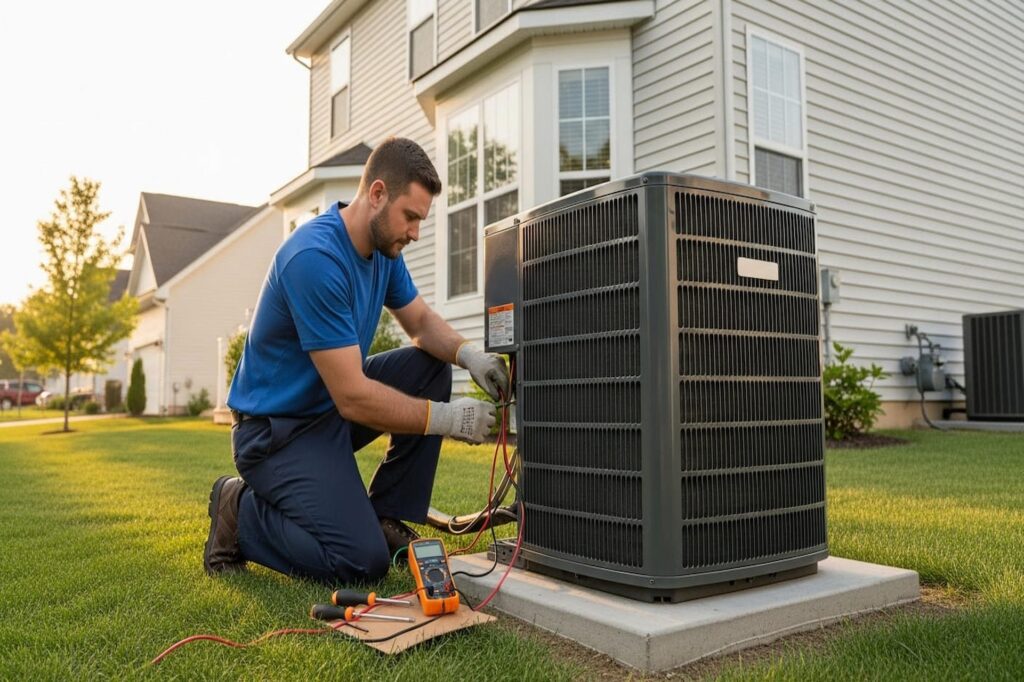
To keep your energy bills low year after year, regular maintenance is non-negotiable. Commercial Air Conditioning Systems are complex machines that require care.
Filter Cleaning: A clogged filter restricts airflow. The fan has to work harder to push air through, using more energy.
Coil Cleaning: Dust on the evaporator or condenser coils acts as an insulator, preventing the system from absorbing or releasing heat effectively.
Refrigerant Checks: A small leak can drastically reduce efficiency and damage the compressor.
Establishing a maintenance schedule ensures that the efficiency rating you paid for is the efficiency rating you actually get.
Environmental Impact
Reducing energy consumption is not just about saving money; it is also about reducing your carbon footprint. Australia is moving towards greener energy solutions, and modern air conditioning is part of that transition.
Newer Commercial Air Conditioning Systems use refrigerants with a lower Global Warming Potential (GWP). combined with lower electricity usage, these systems are the environmentally responsible choice for cooling large spaces. Many homeowners also pair these efficient systems with solar panels. Since peak cooling demand often coincides with peak solar generation (hot, sunny days), you can effectively cool your property for free using the sun’s energy.
Questions and Answers: Common Questions About Commercial Air Conditioning Systems in Australia
Q: What is the difference between residential and Commercial Air Conditioning Systems?
Ans: While the basic principle of cooling is the same, commercial systems are generally more powerful, durable, and complex. They are designed to cool larger spaces or multiple zones simultaneously and can run for longer periods without strain. However, high-end residential properties often use commercial-grade VRF technology to achieve better efficiency and comfort.
Q: Do I need a special power supply for a commercial system?
Ans: It depends on the size of the unit. Smaller commercial units can run on single-phase power, which is standard in most homes. Larger Commercial Air Conditioning Systems may require three-phase power. A qualified electrician or HVAC technician can assess your property’s electrical infrastructure to determine what is needed.
Q: How often should Commercial Air Conditioning Systems be serviced?
Ans: In an Australian climate, it is recommended to have a professional service at least once a year, ideally before the summer peak. For systems that run frequently, such as in a home office or a business setting, a six-month service schedule is better to ensure filters remain clean and the system operates efficiently.
Q: Can I retrofit a commercial system into an existing building?
Ans: Yes, in most cases. Modern systems are designed with flexibility in mind. There are various indoor unit types, including bulkheads, cassettes, and wall-mounted units, that can fit into different architectural styles. However, ductwork requirements will need to be assessed to ensure there is enough ceiling space.
Q: Are these systems compatible with solar power setups?
Ans: Absolutely. Because modern inverter systems are so efficient, they have a lower starting current and a steady running current. This makes them ideal for running off solar PV systems. By cooling your space during the day when solar production is high, you can utilize the thermal mass of the building to keep it cool into the evening, maximizing your solar investment.
Conclusion: Your Path to a Successful Commercial Air Conditioning Systems in Australia
Upgrading your climate control is a significant decision that impacts your daily comfort and your monthly finances. As energy prices fluctuate, the stability and efficiency provided by modern Commercial Air Conditioning Systems offer a smart solution for large homes and businesses alike. These systems provide precise temperature control, superior zoning capabilities, and a durability that standard units simply cannot match.