
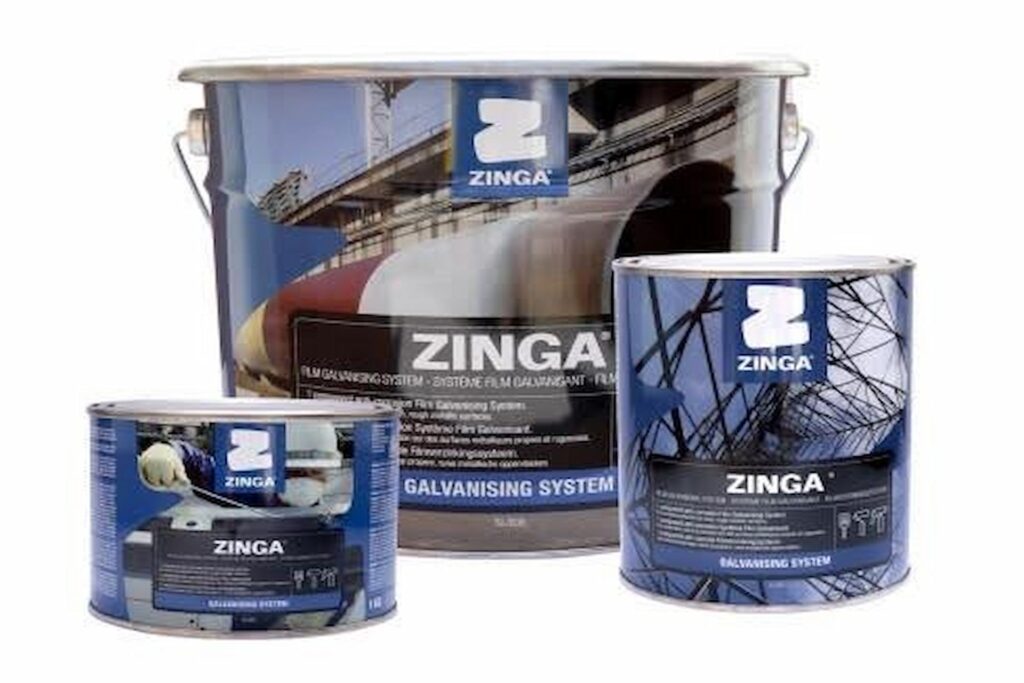
Have you ever noticed how quickly metal can deteriorate when left unprotected? Perhaps you’ve spotted rust creeping across a gate, or watched a steel beam slowly corrode over time? If you’re dealing with metal surfaces, you’re likely all too familiar with the constant battle against corrosion. But here’s the thing – there’s a simple, cost-effective solution that many people overlook.
Cold galvanising paint has become a game-changer for anyone looking to protect metal surfaces from the elements. Whether you’re maintaining agricultural equipment in rural Queensland or tackling DIY projects around your suburban home, understanding this protective coating could save you significant time and money. It’s essentially a zinc-rich paint that creates a barrier between your metal and the harsh Australian environment.
In this guide, we’ll break down everything you need to know about cold galv paint sydney. You’ll learn how it works, where to use it, and why it’s often the smart choice over more expensive alternatives. We’ll also cover application techniques, common mistakes to avoid, and help you choose the right product for your specific needs. Let’s get stuck into it.
What is Cold Galvanising Paint?
Cold galvanising paint is a zinc-rich coating designed to protect steel and iron surfaces from corrosion. Unlike traditional galvanising methods that require industrial equipment, this paint can be applied at room temperature using standard brushes, rollers, or spray equipment. It typically contains between 92-95% zinc in the dry film, providing excellent cathodic protection.
How Does Cold Galv Paint Work?
The magic lies in the zinc content. When applied to metal, cold galv paint creates a sacrificial barrier. This means the zinc corrodes before your underlying metal does – it literally takes one for the team. The zinc particles in the paint form a conductive layer that actively protects the steel beneath, even if the coating gets scratched or damaged.
Cold Galv Paint vs Hot-Dip Galvanising: What’s the Difference?
Hot-dip galvanising involves submerging metal in molten zinc at temperatures around 450°C. It’s effective but requires specialist facilities and equipment. Cold galv paint, on the other hand, offers similar protection without the industrial setup. You can apply it on-site, making it perfect for repairs, touch-ups, or protecting items that can’t be transported to a galvanising facility.
Why Do Metal Surfaces Need Protection?
Metal might seem tough, but it’s constantly under attack from environmental factors. Without proper protection, even the strongest steel will eventually succumb to corrosion. Understanding why this happens helps explain why investing in protection makes sense.
Understanding Corrosion and Rust Formation
Corrosion occurs when metal reacts with oxygen and moisture in the environment. This electrochemical process slowly breaks down the metal’s structure, weakening it over time. In Australia’s varied climate – from coastal humidity to outback dust storms – metal faces particularly harsh conditions. Salt air accelerates corrosion significantly, while temperature fluctuations cause expansion and contraction that can crack protective coatings.
The True Cost of Unprotected Metal in Australian Conditions
The financial impact of corrosion is staggering. According to industry estimates, corrosion costs the Australian economy billions annually. For individual property owners, replacing corroded equipment, fencing, or structural elements quickly adds up. Prevention through proper coating is always more economical than replacement.
Key Benefits of Using Cold Galvanising Paint
There’s a reason cold galv paint has gained popularity across industries. The benefits extend far beyond simple rust prevention.
Superior Corrosion Resistance
With its high zinc content, cold galv paint provides outstanding protection against corrosion. The cathodic protection mechanism means it actively works to prevent rust formation, rather than simply creating a passive barrier. This makes it particularly effective in challenging environments.
Cost-Effective Metal Protection
Compared to hot-dip galvanising or frequent repainting, cold galv paint offers excellent value. A single application can provide years of protection at a fraction of the cost of alternative methods. Plus, you save on transportation and labour costs associated with off-site galvanising.
Easy Application Without Specialist Equipment
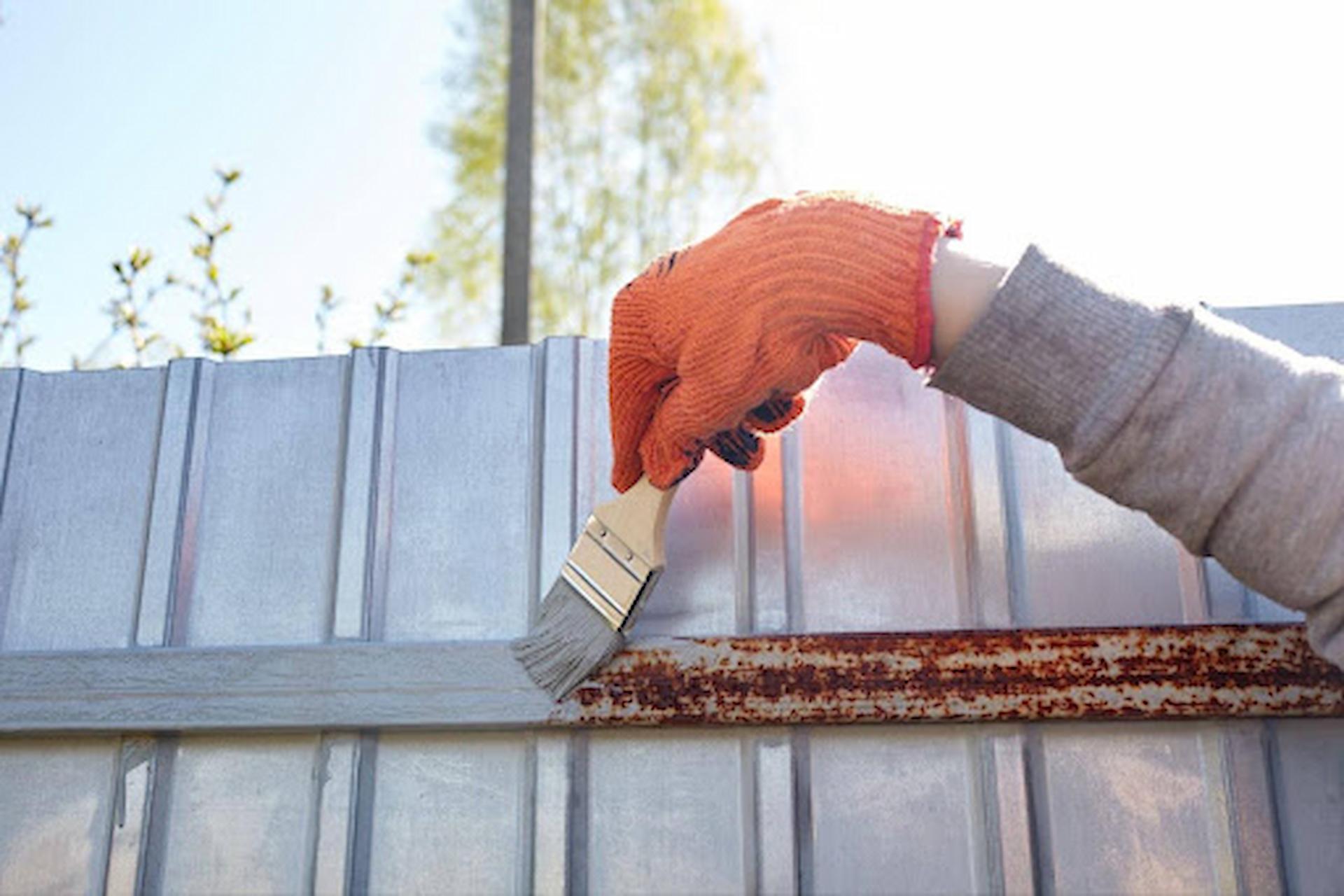
Anyone with basic painting skills can apply cold galv paint sydney. You don’t need industrial equipment, heated tanks, or specialist training. A brush, roller, or standard spray gun will do the job perfectly. This accessibility makes it ideal for both professionals and DIY enthusiasts.
Touch-Up and Repair Capabilities
One major advantage is the ability to repair damage easily. If the coating gets scratched or worn, simply clean the area and apply more paint. This flexibility is impossible with hot-dip galvanising, where any damage requires transporting the entire piece back to a facility.
Is Cold Galvanising Paint as Good as Hot-Dip Galvanising?
This is a question many people ask, and the honest answer is: it depends on your application. Hot-dip galvanising typically provides a thicker, more durable coating that can last 50+ years in mild conditions. However, cold galv paint offers comparable protection for many applications, especially when properly applied and maintained.
For structural steelwork or items exposed to extremely harsh conditions, hot-dip galvanising might be preferred. But for maintenance, repairs, touch-ups, and general metal protection, cold galv paint delivers excellent results at a fraction of the cost. Many professionals use both methods strategically – hot-dip galvanising for initial treatment and cold galv paint for ongoing maintenance.
Where Can You Use Cold Galv Paint?
The versatility of cold galv paint makes it suitable for countless applications. Here’s where it really shines.
Industrial and Commercial Applications
- Structural steelwork and beams
- Pipeline protection
- Storage tanks and containers
- Manufacturing equipment
- Marine and coastal installations
- Mining equipment
Agricultural and Rural Uses
Farms and rural properties benefit enormously from cold galv paint. It’s perfect for protecting:
- Fencing and gates
- Machinery and implements
- Water tanks
- Sheds and outbuildings
- Livestock handling equipment
DIY and Home Maintenance Projects
Around the home, cold galv paint protects garden furniture, railings, carports, and outdoor fixtures. It’s also brilliant for restoring old metal items or protecting new installations.
How Long Does Cold Galvanising Paint Last?
Longevity depends on several factors, including environmental conditions, surface preparation, and application quality. In moderate conditions, properly applied cold galv paint can last 10-20 years. Coastal or industrial environments may reduce this to 5-10 years due to accelerated corrosion factors.
Regular inspection and touch-ups extend the lifespan significantly. The beauty of cold galv paint is that maintenance is straightforward – simply apply additional coats as needed.
How to Apply Cold Galvanising Paint for Best Results
Proper application is crucial for achieving optimal protection. Follow these guidelines for the best outcomes.
Surface Preparation Tips
Surface prep is arguably the most important step. The metal must be clean, dry, and free from rust, oil, and contaminants. Wire brushing, sanding, or abrasive blasting removes loose material and creates a profile for better adhesion. For previously painted surfaces, remove any flaking or poorly adhered coatings.
Application Methods and Techniques
Apply thin, even coats rather than one thick layer. Multiple thin coats provide better protection and adhesion than a single heavy application. Allow adequate drying time between coats – typically 30 minutes to an hour, depending on conditions. Use appropriate equipment for your project size: brushes for small areas, rollers for larger flat surfaces, or spray guns for complex shapes.
Common Mistakes to Avoid
– Skipping surface preparation
– Applying too thick in one coat
– Painting in extreme temperatures or humidity
– Ignoring manufacturer’s instructions
– Failing to stir the paint thoroughly (zinc settles)
Can You Paint Over Cold Galvanising Paint?
Yes, you can apply topcoats over cold galv paint once it’s fully cured. This is often done for aesthetic purposes or to add additional protection. Use compatible primers and paints – check manufacturer recommendations. Epoxy or polyurethane topcoats work well and add UV resistance, extending the overall system life.
Choosing the Right Cold Galv Paint for Your Project
Not all cold galv paints are created equal. Look for products with high zinc content (90%+ in dry film) from reputable manufacturers. Consider the application method – some products are formulated specifically for brush, roller, or spray application. Check compatibility with any topcoats you plan to use, and always read technical data sheets for specific guidance.
For marine or highly corrosive environments, premium formulations offer enhanced protection. Budget options work fine for general maintenance but may require more frequent reapplication.
Protect Your Investment with Cold Galv Paint
Cold galvanising paint represents one of the smartest investments you can make for metal protection. It combines the proven effectiveness of zinc-based protection with the convenience of standard paint application. Whether you’re maintaining industrial equipment or tackling weekend projects, this versatile coating delivers reliable results.
The key takeaways are clear: proper surface preparation is essential, multiple thin coats outperform single thick applications, and regular maintenance extends protection indefinitely. While hot-dip galvanising has its place, cold galv paint offers a practical, cost-effective alternative for most applications.
So next time you’re faced with protecting metal surfaces, consider reaching for cold galv paint. Your equipment, structures, and wallet will thank you for it. The protection you apply today prevents the expensive repairs of tomorrow – and that’s something worth investing in.