
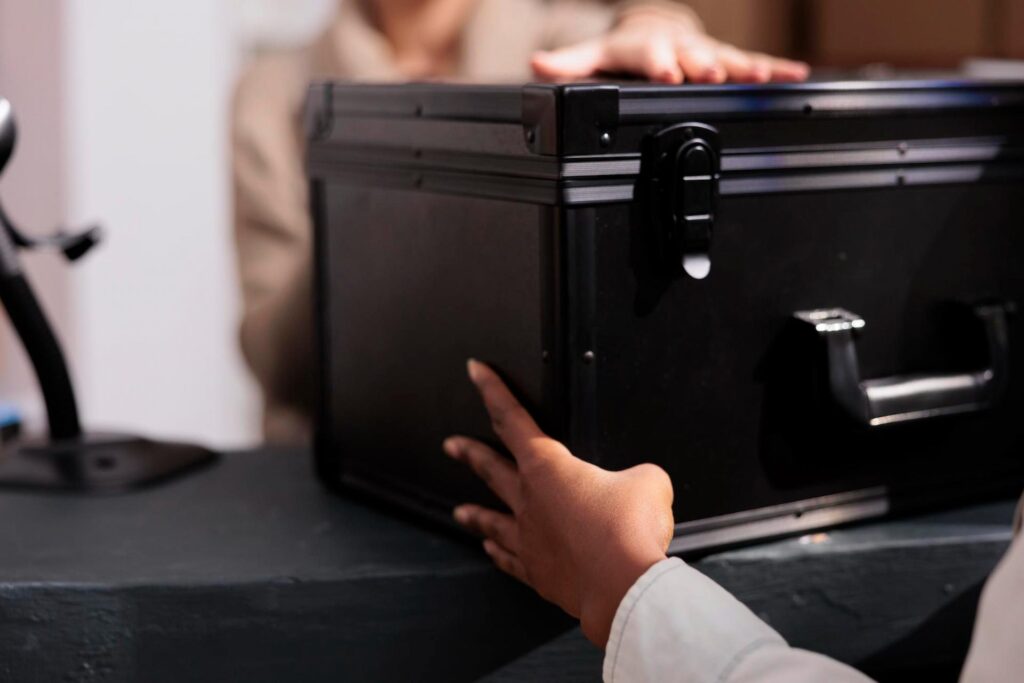
Ever wondered what would happen if a burglar broke into your home tonight? What would you lose that money simply can’t replace? And have you considered how a single house fire could wipe out generations of family documents in mere minutes?
These aren’t pleasant thoughts, but they’re worth considering. Every year, thousands of Australian homes fall victim to theft and fire damage. The aftermath isn’t just financial—it’s emotional, stressful, and often devastating. Yet many of us leave our most precious belongings tucked away in drawers, wardrobes, or flimsy lockboxes that offer virtually no protection.
In this guide, we’ll explore why professional safes installation is one of the smartest investments you can make for your home or business. You’ll discover the different types of safes available, learn why DIY installation often backfires, and understand exactly what you should be storing in a quality safe. We’ll also break down the costs involved in Australia and reveal how the right safe could actually lower your insurance premiums. By the end, you’ll have everything you need to make an informed decision about protecting what matters most.
Understanding Home Security Safes: More Than Just a Metal Box
What Is a Home Security Safe and How Does It Work?
A home security safe is a reinforced container designed to protect your valuables from theft, fire, and other hazards. Modern safes use multiple layers of protection, including thick steel walls, complex locking mechanisms, and fire-resistant materials.
Today’s safes come with various locking systems—from traditional key locks to electronic keypads and biometric fingerprint scanners. The best models combine several security features, making them incredibly difficult to breach. Think of them as a vault within your home, providing peace of mind around the clock.
Types of Safes Available for Residential and Commercial Use
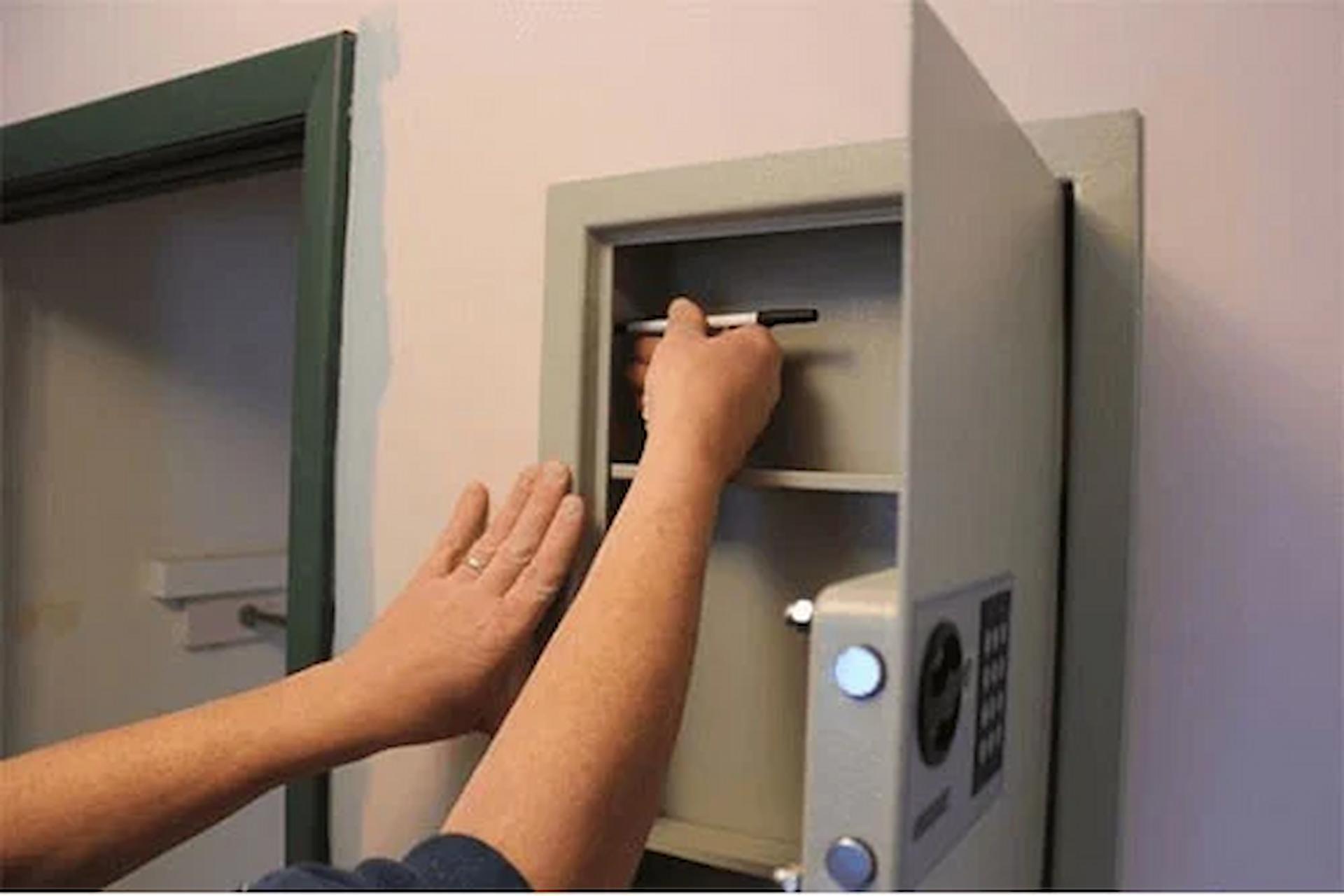
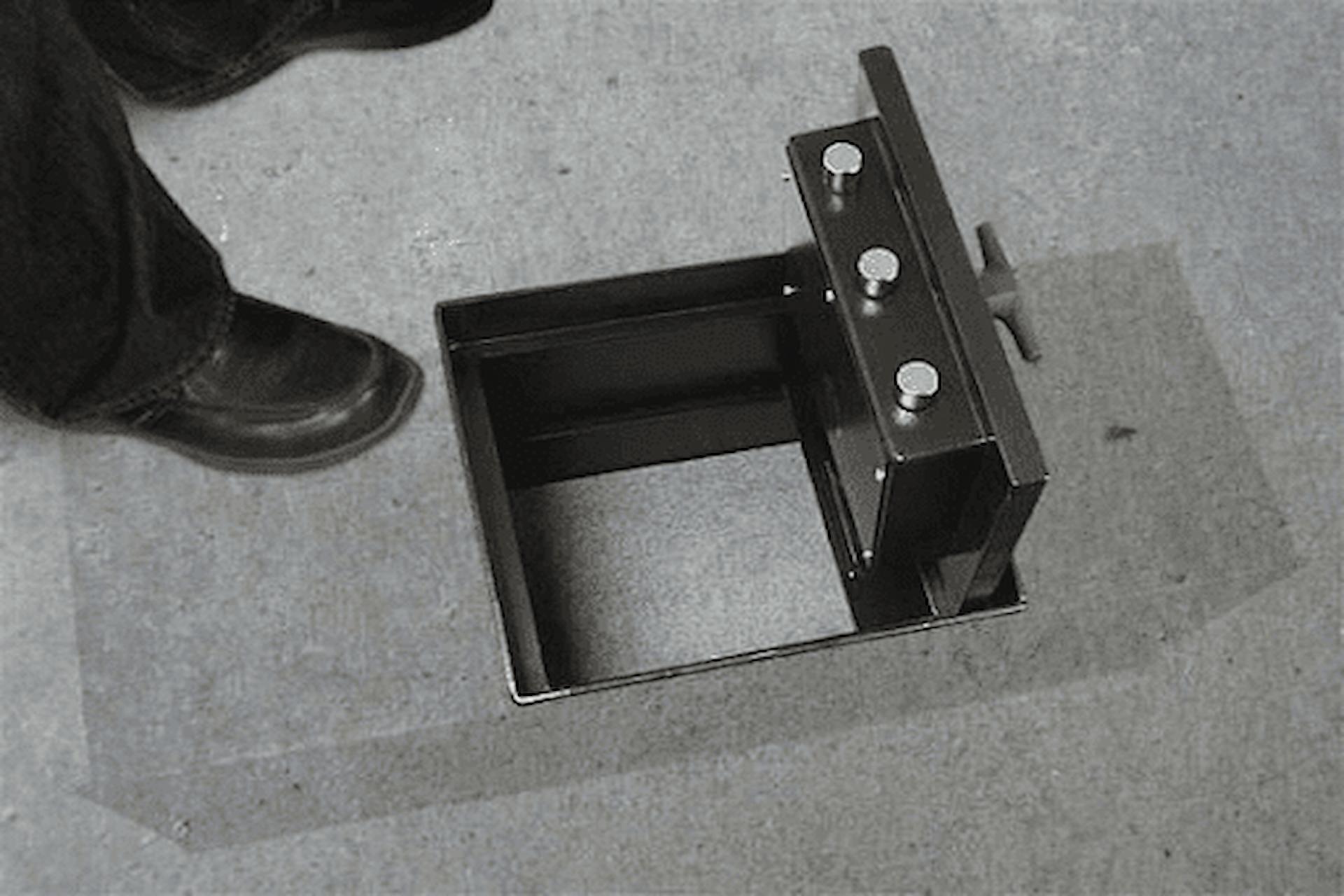
When shopping for a safe, you’ll encounter several options. Wall safes mount directly into your walls, keeping them hidden behind artwork or furniture. Floor safes sit on or embed into concrete floors, offering maximum stability. Freestanding safes are versatile units you can place anywhere.
For businesses, there are cash management safes, deposit safes, and high-security commercial units rated for specific values. Each type serves different purposes, so understanding your needs is crucial before making a purchase.
Fire-Resistant vs Burglary-Resistant Safes: Which Do You Need?
Here’s something many people don’t realise—fire resistance and burglary resistance are two completely different things. A safe rated for fire protection might not withstand a determined thief, and vice versa.
Fire-resistant safes are designed to protect documents and digital media from extreme heat. They’re rated by how long they can maintain safe internal temperatures. Burglary-resistant safes, on the other hand, focus on preventing forced entry through thick steel construction and sophisticated locks. Ideally, you want a safe that offers both protections.
Why Professional Safes Installation Matters
Can I Install a Safe Myself or Do I Need a Professional?
It’s tempting to save money by installing a safe yourself. After all, how hard can it be to bolt something to a floor or wall? In reality, proper safes installation requires specific knowledge, tools, and expertise that most homeowners simply don’t have.
Professional installers understand building structures, know how to locate studs and avoid pipes, and can ensure your safe is positioned for maximum security. They’ll also advise on the best location—something that’s not as straightforward as you might think.
The Hidden Risks of DIY Safes Installation
DIY installation comes with several pitfalls. Improper anchoring can make your safe surprisingly easy to remove. Installing it in the wrong location might void your insurance coverage. You could also damage electrical wiring or plumbing hidden in your walls.
Plus, a poorly installed safe announces itself to thieves. Visible bolt heads, obvious repair work, or a safe that wobbles when touched all signal that security isn’t your strong suit. Professional installation eliminates these vulnerabilities.
What to Expect From a Professional Safes Installation Service
A reputable installation service begins with a consultation. They’ll assess your home, discuss your security needs, and recommend appropriate products. On installation day, they’ll handle everything from delivery to positioning to secure anchoring.
Most professionals will also walk you through operating your new safe and provide maintenance tips. Some offer ongoing support, including combination changes and emergency lockout services. This comprehensive approach ensures your investment truly protects your assets.
Protecting Your Valuables: What Should You Store in a Safe?
Essential Documents and Irreplaceable Items
Start with documents that would be nightmare to replace—birth certificates, passports, property deeds, and wills. Marriage certificates, adoption papers, and citizenship documents also belong in your safe.
Don’t forget irreplaceable items like family photographs, heirlooms, and sentimental pieces. While you can’t put a monetary value on these items, their emotional worth is immeasurable.
Are Safes Good for Storing Cash and Jewellery at Home?
Absolutely. A quality safe is perfect for keeping emergency cash, expensive jewellery, and watches secure. Many Australians keep a portion of their savings in cash at home, and a safe is the only sensible storage option.
For jewellery, look for safes with internal compartments or drawers to prevent scratching. Some models even include humidity control features to protect precious metals and gemstones.
Digital Assets and Data Storage Considerations
In our digital age, don’t overlook your electronic assets. External hard drives containing family photos, important work files, and backup data deserve protection. USB drives with cryptocurrency wallet information or critical passwords should definitely go in your safe.
Just remember that standard fire-resistant safes might not protect digital media adequately. Electronic storage devices require lower temperatures than paper documents, so check your safe’s media rating before storing anything digital.
How Much Does Safes Installation Cost in Australia?
Factors That Influence Safes Installation Pricing
Safes Installation costs in Australia vary widely based on several factors. The safe’s size and weight significantly impact pricing—moving and securing a 500kg unit costs considerably more than installing a small wall safe.
Installation complexity also matters. Embedding a floor safe in concrete requires more labour than bolting a freestanding unit to timber flooring. Your location, the installer’s experience, and any structural modifications needed all affect the final price.
Is Investing in a Quality Safe Worth the Money?
Consider this: the average Australian burglary results in losses exceeding. Now factor in irreplaceable documents, sentimental items, and the emotional toll of being violated. Suddenly, spending on a quality safe and professional installation seems like exceptional value.
A good safe also lasts decades. When you spread that cost over 20 or 30 years of protection, it becomes remarkably affordable.
Comparing Costs: Cheap Safes vs Premium Security Solutions
Cheap safes from hardware stores might seem attractive, but they often provide minimal protection. Thin walls, basic locks, and poor fire ratings mean they’re easily compromised. It’s a classic case of false economy.
Premium safes cost more upfront but offer genuine security. They’re harder to breach, provide better fire protection, and often come with warranties and insurance ratings that cheaper alternatives lack.
Choosing the Right Safe for Your Home or Business
What Size Safe Do I Need for My Home?
Think about what you’ll store now and in the future. Most people underestimate their needs, so go larger than you initially think necessary. A safe that’s too small becomes frustrating and might lead to important items being left unprotected.
For most households, a medium-sized safe (around 50-100 litres) provides adequate space for documents, jewellery, and small valuables. Businesses typically require larger units.
Best Safe Brands and Features to Look For
Look for safes with independent certification from recognised bodies. In Australia, safes rated to Australian/New Zealand Standards offer verified protection levels. Reputable brands include Chubb, CMI, and Dominator.
Essential features include solid steel construction, reliable locking mechanisms, and appropriate fire and burglary ratings. Electronic locks offer convenience, but ensure they have backup key access for emergencies.
Where Is the Best Place to Install a Safe in Your House?
Contrary to popular belief, the master bedroom isn’t ideal—it’s the first place burglars check. Consider less obvious locations like home offices, spare rooms, or purpose-built concealed spaces.
Your safe should be accessible to you but hidden from casual observers. Wall safes behind artwork work brilliantly, while floor safes beneath rugs or furniture remain virtually undetectable.
Insurance Benefits: How Safes Can Lower Your Premiums
Do Insurance Companies Require Safes for Valuables Coverage?
Many insurance policies require specific storage conditions for high-value items. Without an approved safe, you might find claims denied or coverage limited. Some insurers won’t cover jewellery above certain values unless it’s stored in a rated safe.
Meeting Australian Insurance Standards for Home Safes
Australian insurers typically recognise safes with specific ratings. Before purchasing, check with your insurer about their requirements. Installing an approved safe could reduce your premiums and ensure full coverage for your valuables.
Common Mistakes to Avoid When Buying and Installing a Safe
Many buyers focus solely on price, ignoring crucial factors like fire rating and burglary certification. Others choose safes that are too small, don’t anchor them properly, or install them in obvious locations.
Avoid purchasing without researching your insurance requirements. Don’t forget to register your combination with the manufacturer. And never assume that any safe is impenetrable—proper installation and location are equally important.
Taking the Next Step to Secure Your Assets
Protecting your valuables isn’t just about preventing financial loss—it’s about safeguarding memories, securing your future, and gaining genuine peace of mind. A quality safe, professionally installed, offers protection that no other home security measure can match.
The investment is modest compared to the potential losses from theft or fire. When you factor in possible insurance savings and the decades of service a good safe provides, it becomes one of the smartest home improvements you can make.
Don’t wait until something happens to wish you’d taken action. Reach out to a professional safes installation service today and take the first step toward truly protecting what matters most to you and your family.