
Ever found yourself standing in a workwear shop, completely overwhelmed by the wall of safety work boots staring back at you? You’re not alone. What are good work boots, anyway? And how do you know which pair will actually protect your feet while keeping you comfortable through those long shifts?
Choosing the right safety work boots Australia workers need isn’t just about ticking a compliance box. It’s about protecting your feet from genuine hazards while ensuring you can still walk comfortably at the end of a 10-hour day. The wrong boots can leave you with aching feet, blisters, or worse—serious injuries that could’ve been prevented.
In this guide, we’ll walk you through everything you need to know about selecting the perfect safety boots for your specific job. From understanding Australian safety standards to finding the best work boots for walking all day, we’ve got you covered. Whether you’re on a construction site, in a warehouse, or working in healthcare, you’ll learn exactly what features matter most for your situation.
What Are Good Work Boots? Understanding the Basics
Key Features That Define Quality Work Boots
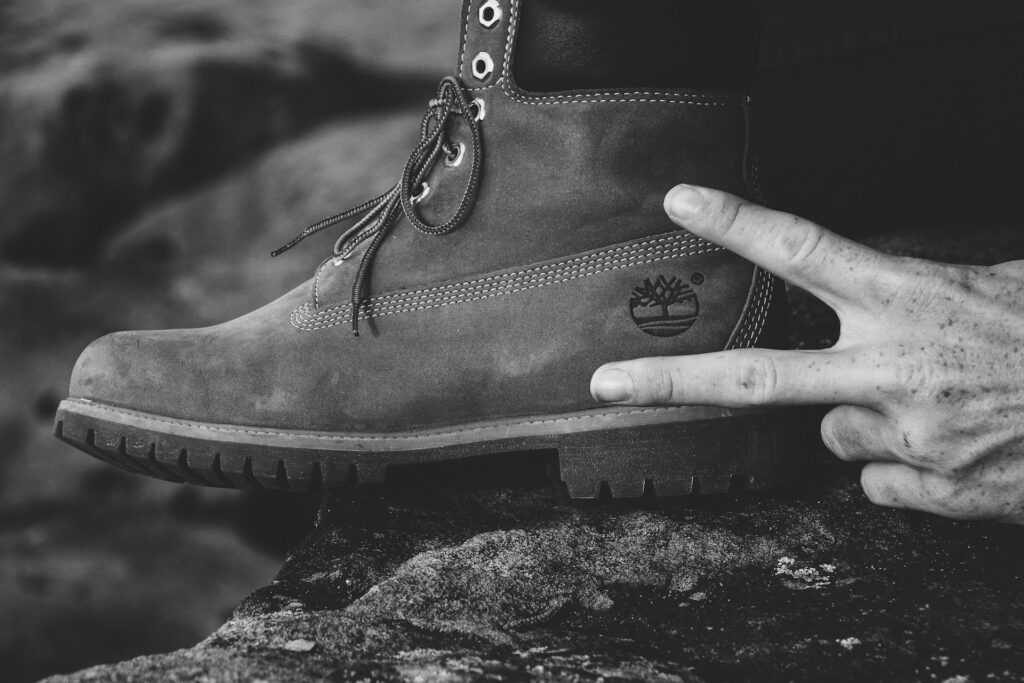
So, what are good work boots made of? Quality safety footwear combines several essential elements. First, you need durable construction—think reinforced stitching, quality leather or synthetic uppers, and sturdy soles that won’t fall apart after a few months.
Good work boots also feature protective toe caps, slip-resistant outsoles, and adequate ankle support. The materials should be tough enough to handle your work environment yet flexible enough for comfortable movement. Plus, decent cushioning and arch support are non-negotiable if you’re on your feet all day.
Australian Safety Standards You Need to Know
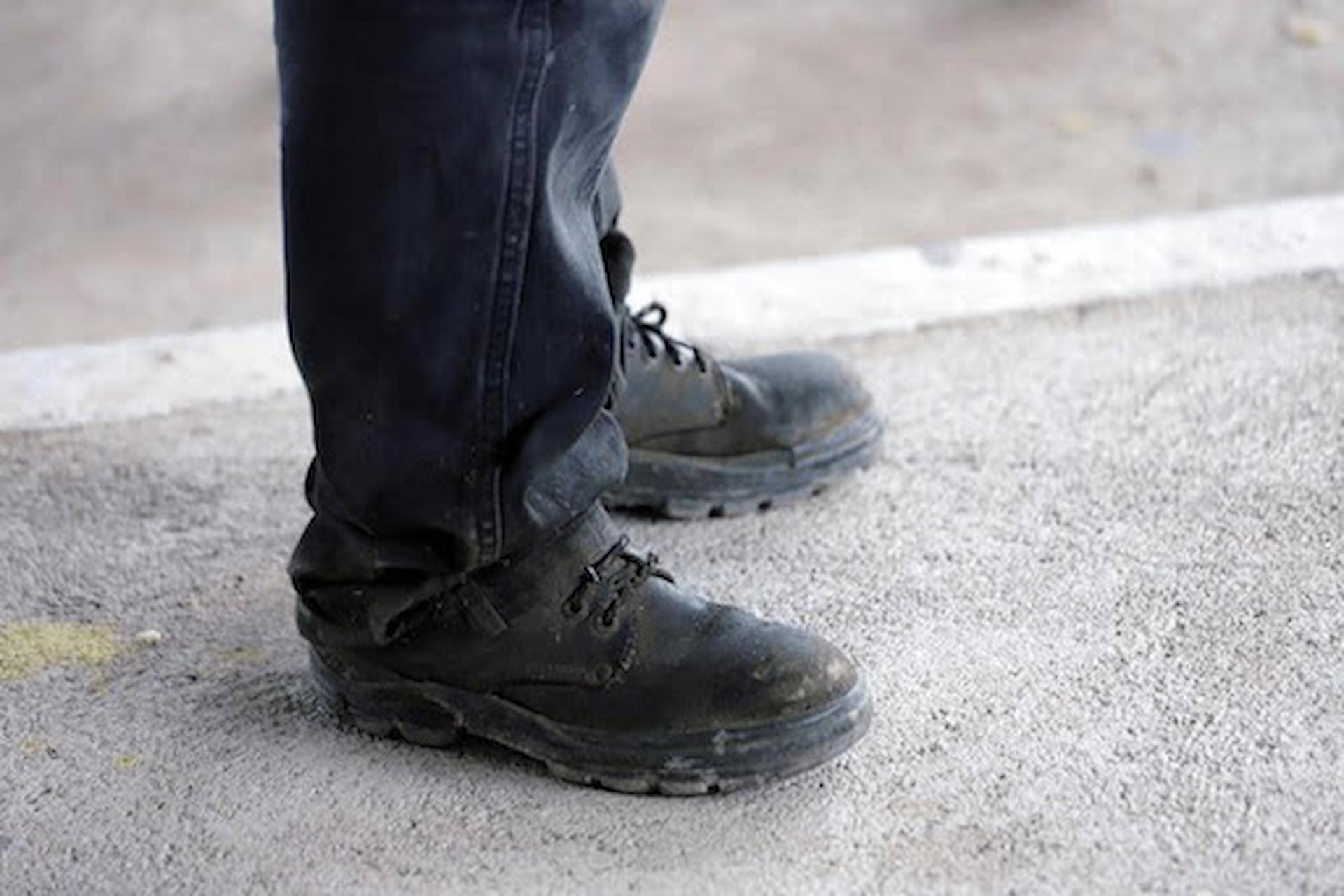
In Australia, safety footwear must meet the AS/NZS 2210.3 standard. This certification ensures boots provide adequate protection against specific workplace hazards. Look for the certification mark when shopping—it’s your guarantee that the boots have been properly tested.
The standard covers impact resistance, compression protection, and various other safety features. Different classifications exist for different hazard types, so make sure your boots match your workplace requirements.
The Difference Between Safety Boots and Regular Work Boots
Regular work boots offer durability and comfort but lack protective features. Safety boots, on the other hand, include specific protective elements like toe caps, puncture-resistant midsoles, and slip-resistant soles. For most Australian workplaces, safety boots aren’t optional—they’re mandatory PPE.
Matching Your Boots to Your Industry
Construction and Building Sites
Construction workers face multiple hazards daily. You’ll need boots with steel or composite toe caps, puncture-resistant soles, and excellent ankle support. Water resistance is also handy for those early morning starts when everything’s covered in dew.
Mining and Resources
Mining environments demand the toughest protection available. Look for metatarsal guards, heat-resistant soles, and chemical-resistant materials. These boots need to withstand extreme conditions while keeping your feet safe from heavy equipment and falling objects.
Warehouse and Logistics
Warehouse work involves lots of walking and standing. The best work boots for walking all day in this environment combine lightweight construction with adequate toe protection. Slip-resistant soles are essential for navigating polished concrete floors and potential spills.
Healthcare and Hospitality
These industries often require slip-resistant footwear that’s easy to clean. Comfort is paramount since you’re constantly on the move. Many workers in these sectors opt for lighter safety shoes rather than heavy-duty boots.
Electrical and Utilities Work
Electrical workers need boots rated for electrical hazard protection. These boots feature non-conductive soles and heels that reduce the risk of electrical shock. Never compromise on this feature if you’re working around live electricity.
Best Work Boots for Walking All Day: Comfort Features to Prioritise
Cushioning and Arch Support Essentials
Finding the best work boots for walking all day starts with cushioning. Look for boots with quality insoles that provide adequate arch support. Memory foam and gel cushioning systems can make a massive difference to your comfort levels.
Consider replacing factory insoles with aftermarket options designed for all-day wear. Your feet will thank you after those long shifts.
Lightweight Materials That Don’t Compromise Protection
Modern composite toe caps offer similar protection to steel at a fraction of the weight. Lightweight boots reduce fatigue significantly over a full shift. However, make sure you’re not sacrificing protection for comfort—find boots that deliver both.
Breathability for Australian Conditions
Let’s face it—Australian summers are brutal. Breathable boots with moisture-wicking linings help keep your feet dry and comfortable. Look for mesh panels or breathable leather uppers that allow air circulation without compromising safety.
How to Prevent Foot Fatigue on Long Shifts
Beyond choosing the right boots, consider shock-absorbing insoles and compression socks. Taking short breaks to stretch your feet helps too. Rotating between two pairs of boots allows each pair to dry out completely between wears.
Essential Safety Features to Consider
Steel Cap vs Composite Toe: Which Is Right for You?
Steel caps offer proven protection and are generally more affordable. However, they conduct temperature and can set off metal detectors. Composite toes are lighter, don’t conduct heat or cold, and pass through metal detectors easily—perfect for airport or high-security work.
Slip-Resistant Soles for Different Work Environments
Different outsole patterns suit different surfaces. Oil-resistant soles are essential for workshops, while deep lugs provide grip on muddy construction sites. Check the SRC rating—this indicates slip resistance on various surfaces.
Puncture-Resistant Midsoles
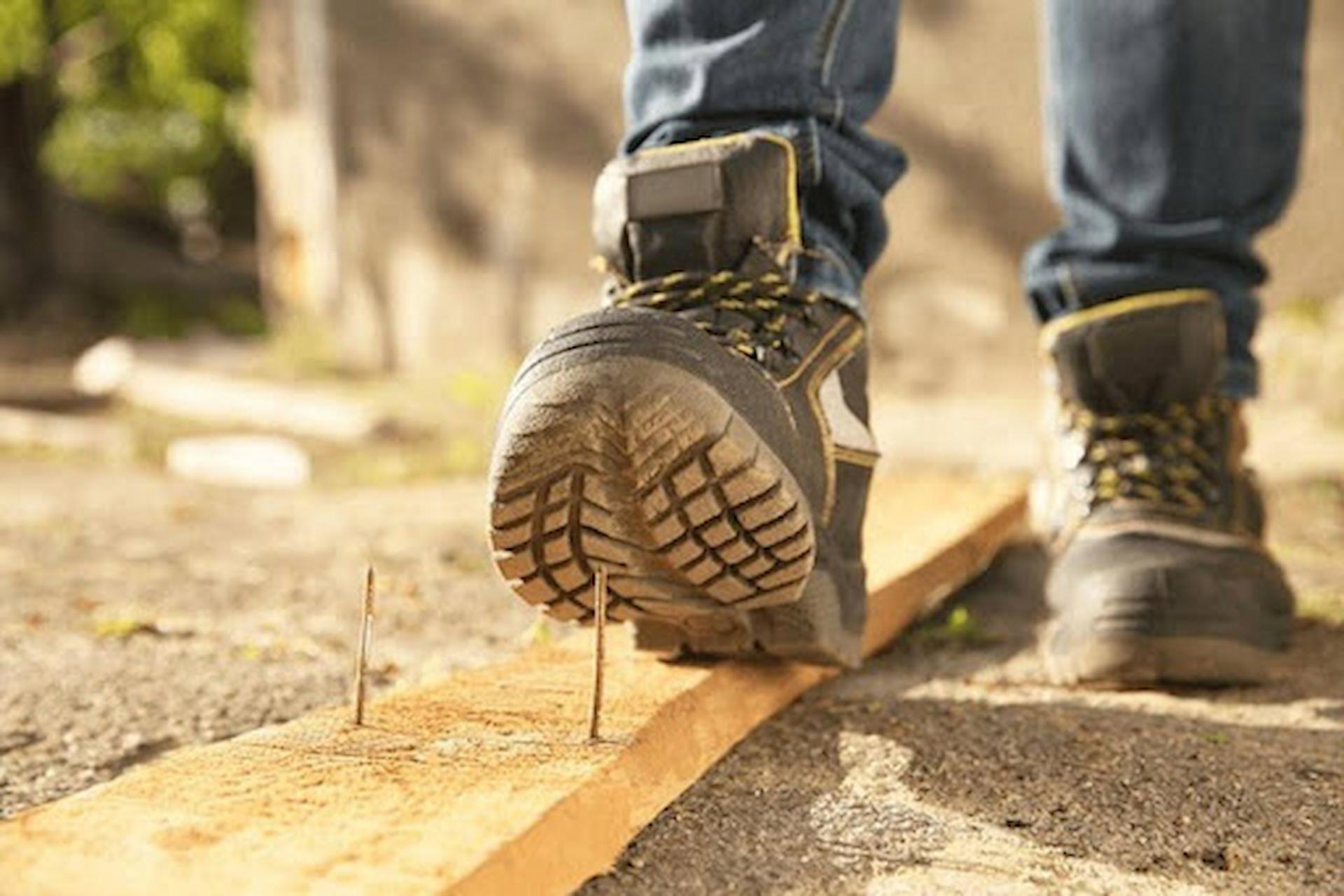
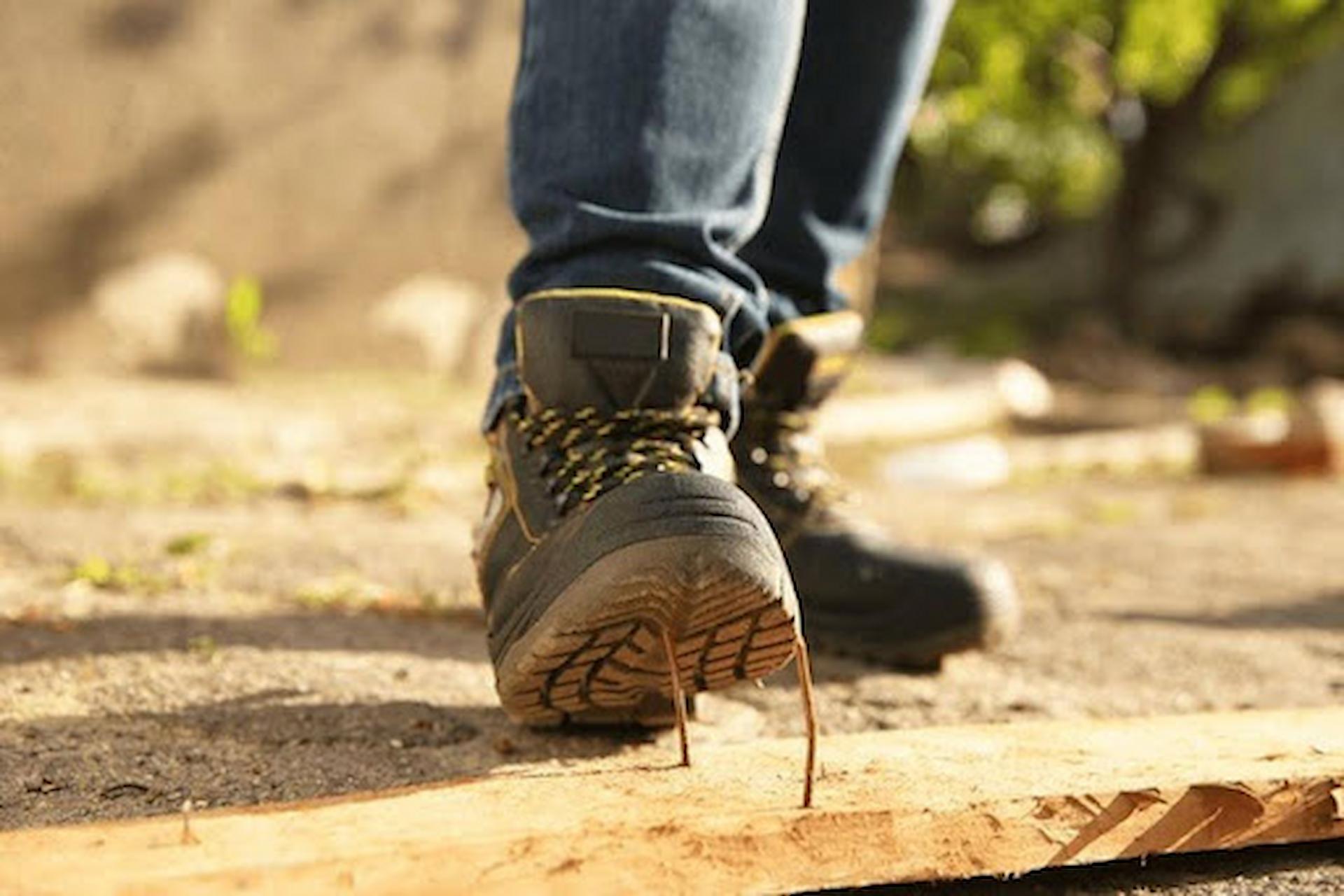
If you’re working around nails, glass, or sharp debris, puncture-resistant midsoles are essential. Steel and composite options are available, with composite being lighter and more flexible.
Water Resistance and Weatherproofing
Waterproof membranes keep your feet dry in wet conditions. This feature is particularly valuable for outdoor workers or anyone dealing with liquids regularly. Just remember—waterproof boots may sacrifice some breathability.
Electrical Hazard Protection
EH-rated boots protect against accidental contact with live electrical circuits. This protection is achieved through non-conductive materials in the sole and heel. Always verify the EH rating if electrical work is part of your job.
How Do I Know What Size Work Boots to Buy?
Measuring Your Feet Correctly
Measure your feet at the end of the day when they’re slightly swollen—this represents their largest size. Stand while measuring, and always measure both feet as they may differ. Use the larger measurement as your guide.
Allowing Room for Safety Socks
Remember, you’ll be wearing thick safety socks with your boots. Allow approximately half a size extra to accommodate them. Try boots on with the socks you’ll actually be wearing to work.
Break-In Period: What to Expect
New boots typically need 1-2 weeks to break in properly. Wear them for short periods initially, gradually increasing wear time. Quality boots should feel better over time, not worse.
How Long Should Safety Work Boots Last?
Signs Your Boots Need Replacing
Replace your boots when you notice worn-down soles, damaged toe caps, or deteriorating waterproofing. Exposed stitching, separated soles, or compressed cushioning are also warning signs. Don’t wait until complete failure—worn boots don’t provide proper protection.
Maintenance Tips to Extend Boot Life
Clean your boots regularly and allow them to dry naturally. Condition leather boots to prevent cracking. Store them in a cool, dry place away from direct sunlight. Proper care can double your boots’ lifespan.
Budget Considerations: Finding Value Without Sacrificing Safety
Quality safety boots range from. While cheaper options seem attractive, they often wear out faster and provide less comfort. Consider the cost per wear—spending more upfront often means better value over time.
That said, expensive doesn’t always mean better. Focus on finding boots with the features you actually need rather than paying for unnecessary extras.
Top Mistakes to Avoid When Buying Safety Work Boots
Don’t buy boots without trying them on first. Avoid choosing style over function—your boots need to protect you, not win fashion awards. Never assume one size fits all brands, as sizing varies significantly between manufacturers.
Also, don’t forget to check industry requirements before purchasing. Your workplace may have specific regulations about acceptable footwear.
Making Your Final Decision
Choosing the right safety work boots comes down to understanding your specific needs and matching them with appropriate features. Consider your workplace hazards, the amount of time you’ll spend on your feet, and the conditions you’ll be working in.
The best work boots for walking all day won’t be the same for everyone. A warehouse worker needs different features than a sparkie or a construction worker. Take time to assess your requirements, try on multiple options, and don’t rush the decision.
Your feet carry you through every shift, so invest in their protection and comfort wisely. Quality safety work boots Australia workers can rely on are out there—you just need to know what to look for. Now you’ve got the knowledge to make an informed choice that’ll keep you safe, comfortable, and productive on the job.