Have you had PRP injections recently in Brisbane, or are you contemplating the use of this modern treatment for your nagging pain? Are you wondering what it is really like to get over these injections, and how long will one wait for the manifestation of the benefits? Or maybe you are contemplating whether such plasma injections are really worth all that, or if your private health cover is going to help you with the costs?
PRP therapy has been extensively known across Brisbane and the Gold Coast as a natural alternative to surgery. PRP therapy essentially uses the power of your body to heal injured or damaged tissue, including chronic ankle problems and difficult stubborn plantar fasciitis. However, despite its popularity, many patients leave the clinic still in uncertainty.
This is your all-inclusive guide to walking you through each of your PRP recovery stages. We will also delve into the science of how platelet injection therapy works, what you should expect during those initial days, and when the peak results will be visible. Regardless of whether you suffer from plantar fasciitis, ankle injuries, or any other condition, discover applicable advice on optimising your healing process, relieving discomfort, and when recovery is on course. Besides breaking down some specific points of many clients considering PRP injections Brisbane, including costs and choosing the right clinic to meet individual needs.
What Happens in PRP Injection Therapy?
How the Whole Process of Blood Injection Works
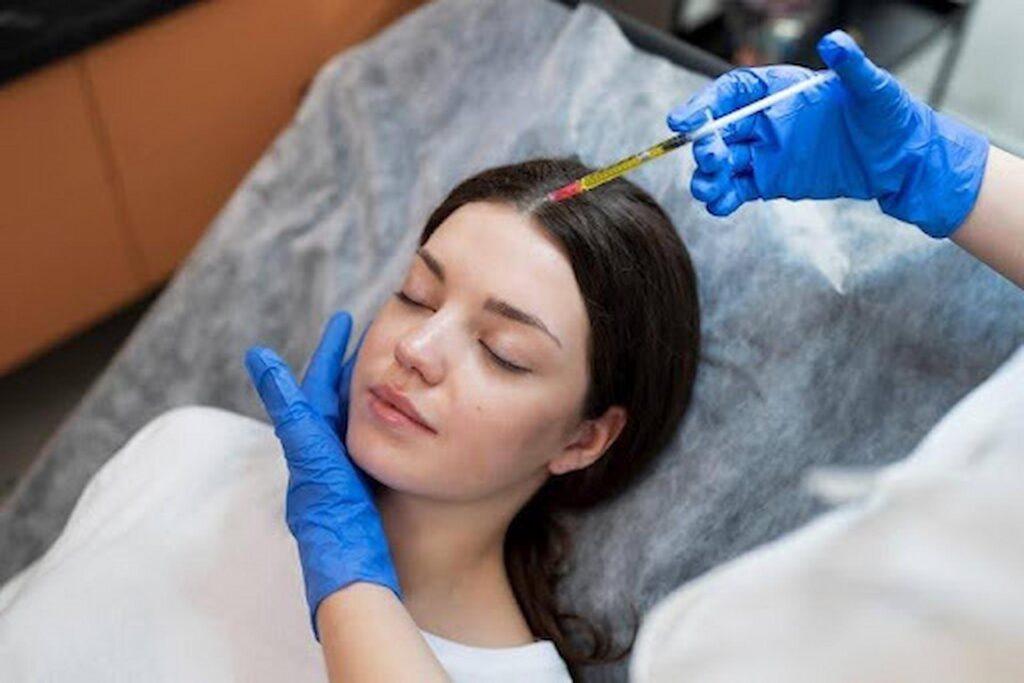
The beauty of PRP injection therapy is that it quite simple and uses your body’s own healing mechanism. On appointment, your doctor extracts a small amount of blood from your arm: just like any other blood test. The blood goes into a special centrifuge machine, which spins really fast and separates the different components of that blood. The platelet-rich layer, which is packed with all the growth factors and healing proteins, is then collected and made ready for injection.
Your doctor will now inject these concentrated platelets into the area injured using ultrasound guidance for accurate placement. The whole procedure takes about 30- 45 minutes from beginning to end. What’s so great about it is that, basically, you are administering a supercharged dose of your own healing factors, concentrated anywhere from about 5-10 times higher than normal blood levels.
The procedure itself is minimally invasive, so usually patients will be able to walk out after having the procedure and go home on the same day. There is very little discomfort associated with the injection in most patients, similar to having another injection anywhere else.
Why Having Platelet Rich Plasma Speeds Recovery
The body is on alert when injury occurs, and platelets are first on the scene to act. They do not only clot blood, but they very quickly release powerful growth factors that tell the tissues to start repairing and regenerating. Once concentrated through the process of PRP platelet-rich plasma injection therapy, these growth factors flood into the injury site in numbers far exceeding anything that the body might be able to send on its own.
Thus, these growth factors stimulate stem cells, increase collagen production, and encourage blood vessel construction. That’s when you call for those big guns-forces to get up and running in the construction site—you just have so many more workers, so much better material, and supply lines beefed up to do the work of building damaged tissue. That is why many people report shorter recovery times-than if the injury is left to heal by itself.
The Science of Platelet Regeneration Therapy
Research indicates that the therapy-induced release of concentrated platelets induces a cascade of biological events that impacts healing. All of these growth factors, PDGF, TGF-β, and VEGF, induce tissue repair, recruit repair cells, and promote de novo angiogenesis.
Usage of the blood injection technique is said to facilitate healing processes particularly for tendon and ligament injuries, which do not have a good blood supply and are, thus, inherently slow to heal. The concentrated delivery of healing factors directly into localization overcomes the body’s natural limitations toward repair of those tissues.
PRP Injection Recovery for Specific Conditions
Recovery from PRP for Plantar Fasciitis
Most patients undergoing treatment through PRP injection plantar fasciitis will return to normal activity within reasonable time over the next 12 to 16 weeks. It takes a while for the treatment to change and strengthen the thick, fibrous plantar fascia. In the first two weeks, weight bearing should be restricted, perhaps with the use of a walking boot or fitted shoes.
PRP plantar fasciitis recovery times will differ from individual to individual, though evidence suggests that 80% of patients will note improvements after the three-month mark. The patient is encouraged to walk longer distances while gentle stretching exercises are also incorporated from week 3-6. The physiotherapist may later prescribe certain exercises to maintain flexibility while the healing tissue is protected.
Success rates for patients receiving plasma injections for plantar fasciitis appear encouraging: research indicates that 70-80% of patients experience positive to excellent results. This is better than surgery and without the long recovery period and possible complications. The cost of PRP plantar fasciitis in Brisbane is around $500-800 an injection, which many patients are willing to consider given the success rates and the avoidance of surgery.
PRP Injection Recovery of the Ankle
PRP injection ankle recovery occurs in a completely different line than recovery from plantar fasciitis. Ankle injuries frequently involve more than one structure-an injury to a ligament, tendon, and sometimes a cartilage-can be incurred, and therefore each has its own healing time. Most patients will be able to walk comfortably within 2-3 weeks but may take longer-3-4 months-to return to sports activities.
In general, the progression starts with range of motion exercises within the first couple of weeks, leading up to a strengthening exercise around week 4-6. Balance training and proprioceptive training becomes significant parts of rehabilitation (as even slight ankle injury affects these critical functions). Your physiotherapist will guide you through wobble board and single leg stands to restore stability.
Compared to traditional treatment methods, PRP often allows quick return to activity with less re-injury. Most conservative treatments would take 6-12 months for total recovery, while most PRP patients would have similar or improved results within that same timeframe: often in about half the time.
Optimising Your Recovery: Important Tips
Nutrition for better healing
Diet plays a key role to help facilitate the healing process. The most important nutrient is protein-yours should be 1.2-1.5 grams per kilogram of body weight daily in order to promote tissue repair. Include meat, fish, eggs, legumes, and dairy in your meals. Citric fruits, berries, and leafy green vegetables will be good sources because vitamin C helps in the production of collagen that will form new tissues.
You probably have heard of omega-3 fatty acids found in fish, walnuts, and flaxseeds that help manage inflammation as you continue along your healing path-not interfering at all with your healing process. Drink ample water-water helps transportation of nutrients involved in the healing tissue-similarly removal of the end products. The bone broth would also be a good addition to consider, as it contains collagen and minerals that aid repair of connective tissues.
Minimize alcohol and processed foods: too much sugar slows healing and causes increases in inflammation. Some patients find that taking a good quality multivitamin helps to bridge any gaps in recovery with nutrition.
Activity Alterations During Recovery
Finding the perfect balance between rest and movement is vital for best healing. Complete immobilisation may actually slow recovery and excessive activity can disrupt the healing. Begin with low impact activities such as swimming or stationary cycling once your doctor gives the green light – usually around week 2-3.
Be aware of what your body is telling you—mild discomfort is usually typical from activity, but anything that feels like sharp, stabbing pain or swelling should be pulled back from. If tolerated, try upping the intensity of activity by maybe 10% to 20% each week. This will help condition and strengthen the tissue being healed without putting undue stress on it.
Physiotherapy as an Adjunct to PRP Recovery
Physiotherapy is often that hidden factor that determines whether the results from a PRP procedure are good or excellent. Working together with a well-trained physiotherapist can lead to the development of a tailored rehabilitation strategy that economically supports the healing processes of the body. They will be advising you on the exercises to perform at each stage of your rehabilitation, all to help restore your strength, flexibility, and function in a safe way.
Manual therapy methods for treating scar tissues formation and improving the range of motion include soft tissue mobilization and gentle manual therapy. Of course, your physiotherapist will also address inappropriate compensatory movements that you may have developed over time with your injury. Starting physiotherapy within the 2–3-week timeframe after injection is most typically optimal.
PRP Injects Brisbane: Common Practices
PRP Price Breakdown in Brisbane Injection
Understanding PRP injections Brisbane cost allows you to carry out a proper budget concerning your treatment. Typically, most conditions will range in injecting PRP from $500-800. Only complex conditions may have higher charges. This will include consultation, procedure, and some basic follow-up care. Discount offers are usually available in some clinics for patients receiving multiple injections, thus reducing the cost of ongoing treatments.
Factors that affect prices would be the location of the clinic-classified centres would usually be expensive-, the experience of the practitioner, and whether or not ultrasound guidance was used. Some specialists charge differently for the initial consultation ($200-350), whereas others include it as part of treatment. It is best to go for detailed quotes from a number of providers to know exactly what is included.
PRP Injections with Private Health Insurance
This actually makes PRP injections private health insurance coverage somewhat convoluted. Currently, most Australian private health funds do not pay for PRP, treating it as experimental in the minds of some insurers. As more evidence has been produced for PRP effectiveness, policies are shifting. Partial rebates may be offered through certain funds under certain conditions, particularly if the alternative is surgery.
Check with your specific fund on their current policy. In some cases, patients are able to claim some expenses of the treatment under extras cover for allied health services when received from specific practitioners. Retain all the receipts and notes – policies change and you never know, you might be able to claim it later once the coverage improves.
PRP Injections Gold Coast or Brisbane: Which Clinic to Choose?
Prior to actually deciding between PRP injections from clinics located on Gold Coast versus Brisbane, there are other considerations apart from convenience. Brisbane has a more varied selection of hospitals and specialists which leads to shorter or competitive pricing on waiting period and reasonable prices due to competition. On the other hand, treatment may be held at Gold Coast, which offers a more relaxed environment, combined with a coastal recovery holiday.
Find clinics with established practitioners who perform PRP injections regularly for the condition at issue. Check whether ultrasound guidance is applied to place the injections accurately, protocols of aftercare, and involvement with physiotherapists for care beyond medical issues. Reviews and success rate matter more than location: that extra distance for better care is often worth it.
Long-Term Results and Maintenance
How Long Do PRP Benefits Last?
The duration of benefits from PRP is highly variable between patients. Significant improvement for many patients lasts 1-2 years or more. Unlike cortisone shots that wear off in a few months, PRP actually repairs tissues and therefore is supposed to give more permanent improvement to most patients. Many patients talk about positive results even 3 to 5 years after treatments.
Other factors for how long it lasts are the specific area that is treated, the severity of actual damage, your age and health, and how much you keep the improvements up with exercise and lifestyle choices. Most acute injuries require just one treatment; while some degenerative conditions may be viewed as requiring occasional ”top up” therapies.
When to Consider Further Treatments
Some patients do well with several PRP injections rather than just a single treatment. Your physician usually recommends 2-3 injections spaced approximately 4-6 weeks apart at the time for maximum improvements, especially in chronic cases. If you experience very good improvement from your first injection but not complete, consider a second treatment around 3 months later.
Signs that indicate you might require more than one treatment include plateau in progress short of reaching your goals, relapse of symptoms after initial improvement, or a partial but offering not adequate response to your first injection. A few people have “maintenance” annual injections to keep up their improvements, although that is not always necessary.
Lifestyle Modification Sustain Result
Long-term success from the injection treatment with platelets often relies on lifestyle changes put into place. Regular exercise while strength training maintains the tissue improvements achieved through PRP treatment. Concentrate on exercises working primarily on the treated area under and surrounding muscles for optimal support.
Weight management reduces stress on weight-bearing joints and soft tissues. Just a couple of pounds in weight loss has great chances of lessening pressure against the plantar fascia or the ankle joints. Right footgear’s and orthotics, when recommended, keep providing further support and preventing re-injury.
Your Journey to Recovery Success
The path to recovering from PRP injection might seem rather scary at first, but knowing what one can expect at each stage makes the process easier. From those first important 48 hours all the way to the point when you realize you’ve started moving around again without pain, every single phase contributes to your healing story. This timeline is, as outlined, a helpful guideline, but will probably not exactly match yours – and that’s ok.