
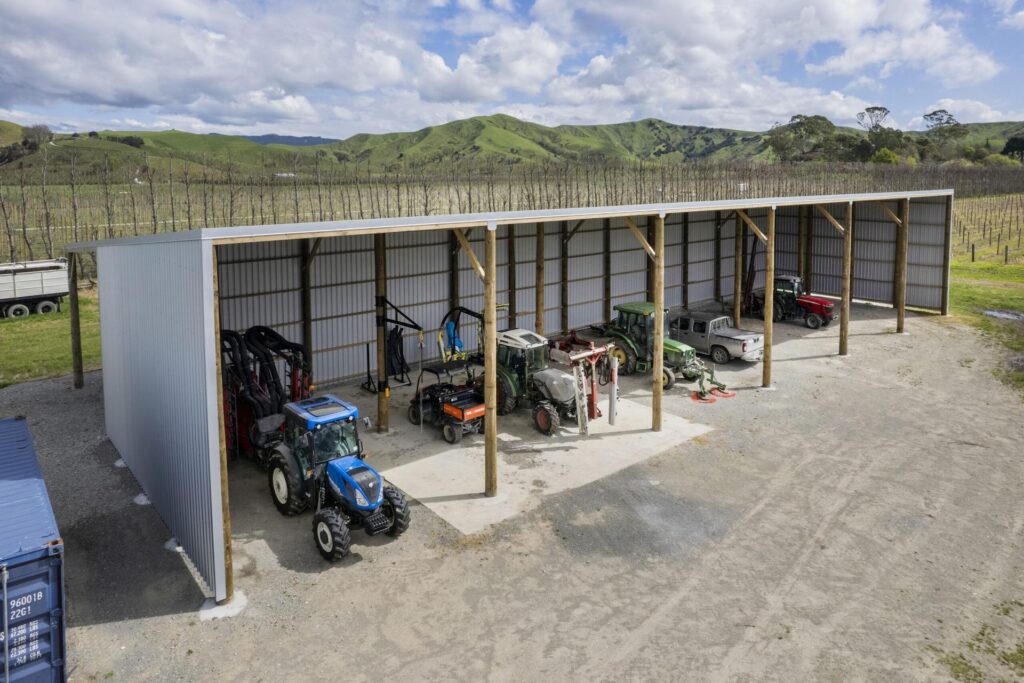
Have you ever looked at your machinery shed and wondered if you’re making the most of it? Are your tractors crammed in haphazardly while expensive implements sit exposed to the elements? What if that humble shed could become the beating heart of your entire farming operation?
For Australian farmers, a machinery shed represents far more than a roof over your equipment. It’s a strategic asset that, when utilised properly, can dramatically boost your farm’s productivity and protect your significant investment in agricultural machinery. From the scorching summers of Queensland to the wet winters of Victoria, your shed stands as the first line of defence against weather damage and equipment deterioration.
In this guide, we’ll explore how to transform your machinery sheds from a simple storage space into a multi-functional hub that supports every aspect of your farming business. You’ll discover smart storage solutions, optimal design considerations, and practical maintenance strategies that keep your equipment running smoothly year after year. Whether you’re planning a new build or looking to upgrade an existing structure, these insights will help you squeeze every ounce of value from your agricultural shed.
Understanding the Role of Machinery Sheds in Modern Australian Farming
What Is a Machinery Shed and Why Do Farmers Need One?
A machinery shed is essentially a purpose-built structure designed to house farm equipment, vehicles, and implements. But calling it just a “building” undersells its importance. Think of it as your farm’s command centre—a protected space where valuable machinery stays safe, organised, and ready for action.
Australian conditions are notoriously tough on equipment. UV rays crack rubber seals and fade paintwork. Dust infiltrates engines and hydraulic systems. Moisture promotes rust and corrosion. Without proper shelter, a header can deteriorate faster than you’d believe possible. A quality machinery sheds eliminates these threats while keeping everything accessible when you need it most.
How Machinery Sheds Improve Overall Farm Productivity
When your equipment is properly stored, it starts first time, every time. That might sound simple, but during harvest when every hour counts, reliable machinery is worth its weight in gold. Plus, organised storage means less time searching for tools or moving equipment around to access what you need.
A well-designed shed also enables on-site repairs and maintenance. Instead of waiting for a mechanic or transporting machinery to town, you can handle routine servicing yourself. This reduces downtime and keeps your operation running smoothly throughout the season.
Smart Storage Solutions for Farm Equipment
Organising Your Shed for Maximum Accessibility
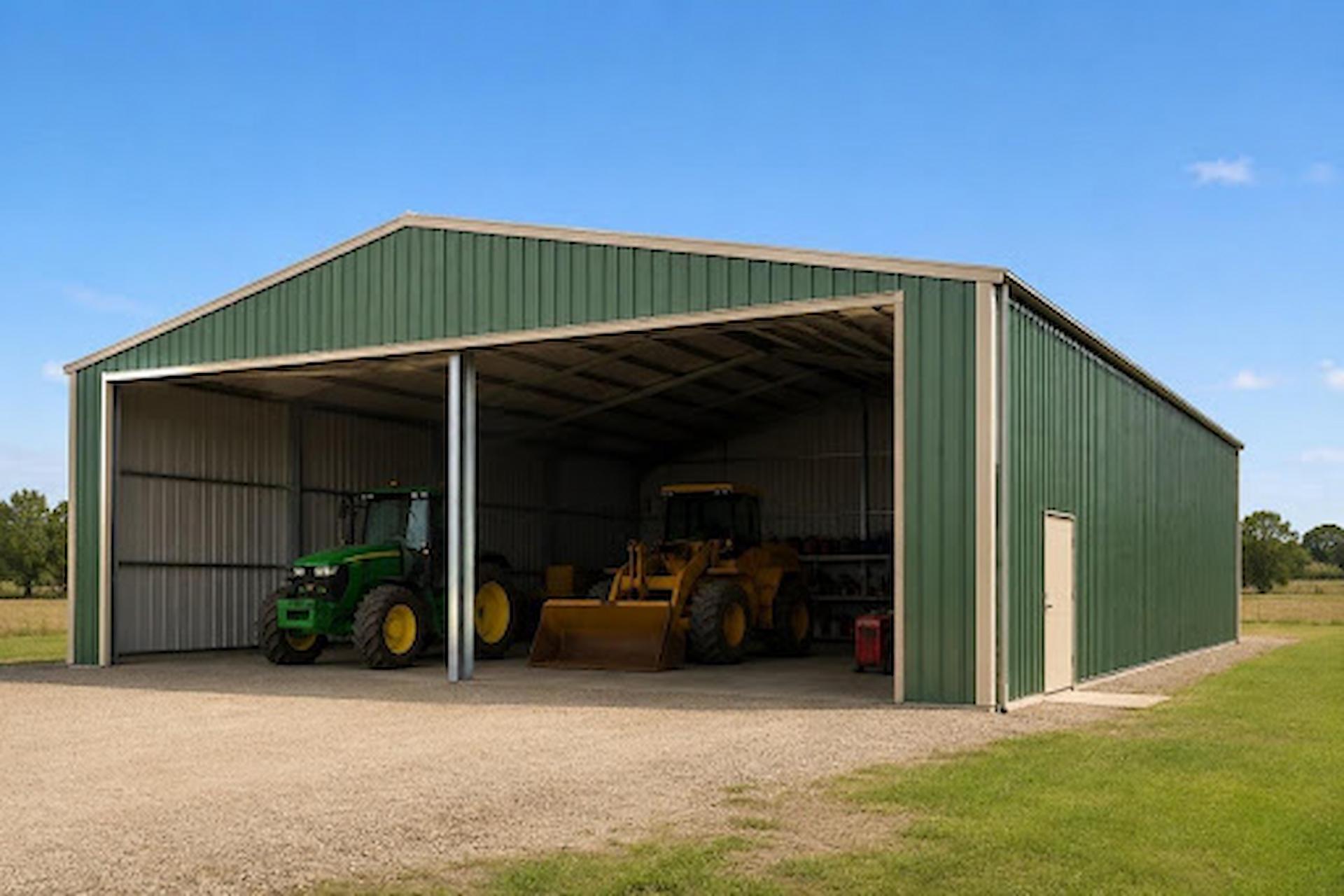
The key to an efficient shed is logical organisation. Group similar items together and create clear pathways for vehicle movement. Many farmers find that painting floor markings or using designated parking bays helps maintain order, especially when multiple family members or employees use the space.
Consider your workflow when planning storage zones. Equipment used daily should sit near the main entrance, while seasonal machinery can occupy rear sections. Wall-mounted shelving, pegboards for tools, and overhead storage for lighter items maximise floor space without creating obstacles.
Best Practices for Storing Tractors, Headers and Implements
Large machinery requires thoughtful positioning. Leave adequate clearance around each piece for safe access and inspection. Headers benefit from specialised stands that prevent tyre flat-spotting during extended storage periods. Tractors should ideally be parked on sealed floors to prevent moisture wicking up through concrete.
Before storing any equipment long-term, clean it thoroughly. Remove crop residue, mud, and debris that can trap moisture and attract pests. A few hours of preparation now prevents expensive repairs later.
How Should You Store Farming Equipment to Extend Its Lifespan?
Proper storage goes beyond simply parking under a roof. Disconnect batteries or use trickle chargers to maintain charge. Coat exposed metal surfaces with rust inhibitor. Release pressure from hydraulic systems to prevent seal damage. Cover air intakes and exhausts to keep out rodents and insects.
Documentation matters too. Keep maintenance logs for each piece of equipment, noting service dates, repairs, and any issues to watch. This information proves invaluable when troubleshooting problems or planning seasonal preparation.
Designing Your Machinery Shed for Agricultural Efficiency
Optimal Shed Layouts for Different Farm Operations
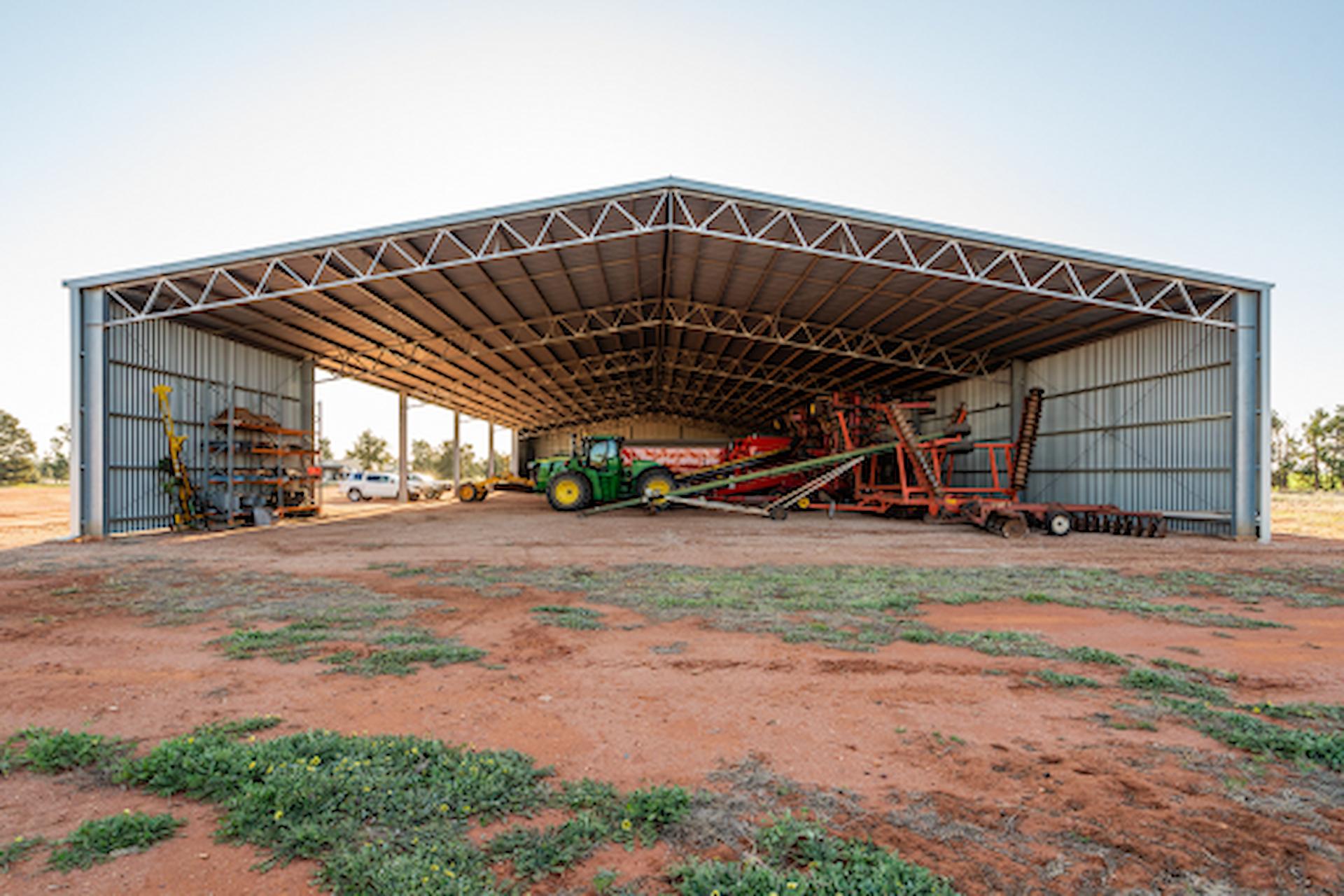
Your shed layout should reflect your specific farming activities. Cropping operations typically need wide, open spans to accommodate headers and large implements. Mixed farms might benefit from partitioned areas separating livestock handling equipment from crop machinery.
Consider future needs when planning. Will you upgrade to larger equipment? Might you diversify into new enterprises? Building slightly larger than your current requirements often proves more economical than extending later.
What Size Machinery Shed Do I Need for My Farm?
Size calculations should account for all equipment you own or plan to purchase, plus working space around each item. A common mistake is measuring machinery dimensions without allowing room to actually access or work on equipment.
As a rough guide, aim for at least 1.5 metres clearance around large machinery and 3-metre-wide traffic lanes. Height matters too—modern agricultural equipment can be surprisingly tall, especially headers with platforms attached.
Ventilation, Lighting and Climate Control Considerations
Good airflow prevents condensation and keeps the shed environment healthy for both equipment and workers. Ridge vents, wall louvres, and strategically placed openings create natural ventilation without allowing rain ingress.
Adequate lighting transforms a shed from mere storage into a functional workspace. LED fixtures provide excellent illumination while keeping energy costs manageable. Position lights to eliminate shadows in work areas and ensure safe vehicle movement.
Multi-Purpose Uses for Agricultural Sheds
Combining Workshop and Storage Functions
Many farmers dedicate a section of their machinery shed to workshop activities. A well-equipped maintenance bay with a workbench, compressed air, and basic tools enables routine repairs without relocating machinery.
Separate the workshop area from main storage to contain mess and improve safety. Concrete pads, drainage for wash-down areas, and adequate power supply make the workshop genuinely useful rather than an afterthought.
Using Your Shed for Grain and Harvest Storage
Some machinery sheds pull double duty during harvest, temporarily housing grain before transport. This requires careful planning—grain storage demands moisture control and pest protection that standard machinery sheds may not provide.
If you’re considering dual use, discuss requirements with your shed supplier. Additional features like sealed floors, fumigation capability, and increased structural load ratings may be necessary.
Can a Machinery Shed Be Used for Livestock Shelter?
While possible, combining machinery storage with livestock housing presents challenges. Animals create moisture, odours, and waste that can damage equipment. However, partitioned sections with separate access can work for some operations.
Think carefully about biosecurity and contamination risks before mixing these functions. Separate structures often prove more practical in the long run.
Protecting Your Investment: Equipment Maintenance Within the Shed
Setting Up a Dedicated Maintenance Bay
A proper maintenance bay needs more than just space. Install adequate lighting above the work area, provide power outlets at convenient heights, and consider a vehicle hoist or inspection pit for underside access.
Keep essential supplies—filters, oils, grease, and common spare parts—organised and accessible. A well-stocked maintenance bay reduces downtime and prevents unnecessary trips to town during busy periods.
How Do You Maintain Farm Machinery During Off-Season?
Off-season maintenance prevents problems from developing during storage. Run engines periodically to circulate fluids and prevent seizing. Check tyre pressures monthly. Inspect stored equipment for signs of pest damage or moisture infiltration.
Create a pre-season checklist for each piece of equipment. Systematic inspection and servicing before peak demand ensures everything performs reliably when you need it most.
Cost-Effective Upgrades to Boost Shed Efficiency
Budget-Friendly Modifications for Better Functionality
Simple improvements often deliver significant benefits. Additional lighting, extra power points, and better tool storage cost relatively little but transform daily operations. Concreting previously bare floor areas reduces dust and simplifies cleaning.
Insulating the roof dramatically improves comfort and reduces condensation. This single upgrade extends equipment life and makes the shed more pleasant for maintenance work.
Is It Worth Investing in a Custom-Built Machinery Shed?
Custom-built sheds cost more upfront but deliver precisely what your operation needs. Standard kit buildings may require costly modifications or compromise functionality. When calculating value, consider long-term benefits including equipment protection, operational efficiency, and potential property value increases.
Safety and Compliance for Australian Farm Sheds
Meeting Australian Building Codes and Regulations
Agricultural buildings must comply with relevant Australian Standards and local council requirements. Building permits, engineering certification, and proper footings aren’t optional—they’re legal requirements that also protect your investment.
Work with reputable suppliers who understand rural building regulations. Cutting corners on compliance creates legal liability and may invalidate insurance coverage.
Fire Safety and Hazard Prevention in Rural Sheds
Store fuels and chemicals in appropriate containers away from ignition sources. Maintain fire extinguishers and ensure everyone knows their location. Keep exits clear and create an emergency plan for your shed.
Regular housekeeping prevents many hazards. Remove accumulated debris, manage vegetation around the structure, and address electrical issues promptly.
Maximising Your Machinery Shed’s Potential
Your machinery shed represents a significant investment that deserves thoughtful utilisation. From smart storage solutions to dedicated maintenance facilities, the strategies we’ve explored can transform a basic structure into a productivity powerhouse that serves your operation for decades.
The key takeaway? Think beyond simple storage. Your shed should work as hard as you do, protecting equipment, enabling efficient maintenance, and adapting to your farm’s evolving needs. Whether you’re building new or improving existing facilities, every enhancement pays dividends in equipment longevity and operational efficiency.
Take a fresh look at your current setup with these ideas in mind. Even small improvements can yield meaningful results. Your machinery—and your bank balance—will thank you for the effort. After all, a well-organised, fully functional machinery shed isn’t just good farming practice; it’s smart business.