
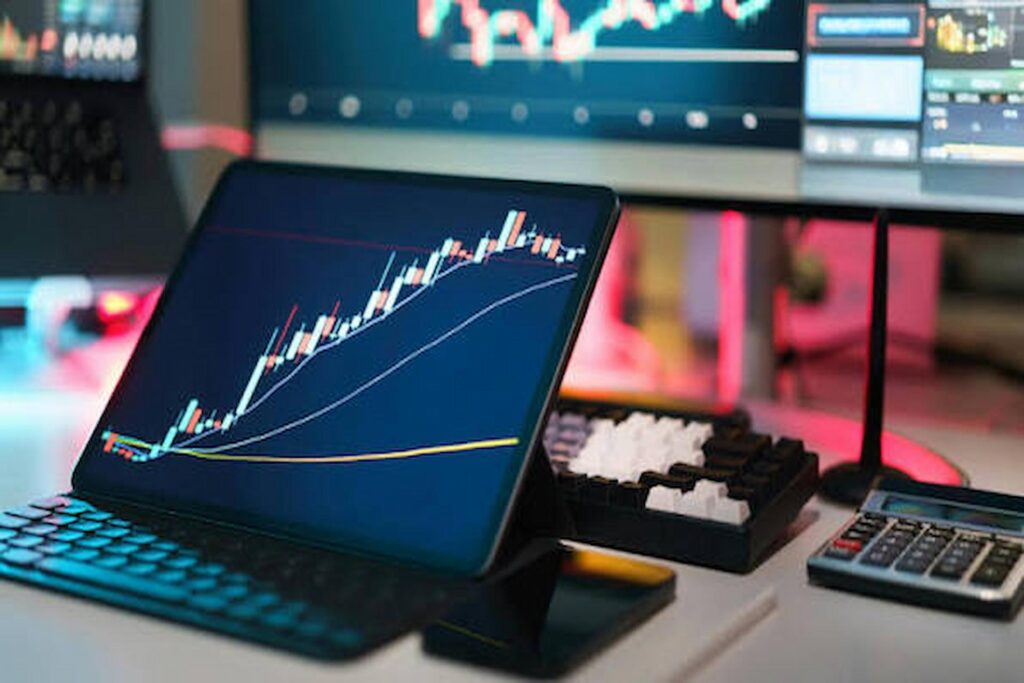
There’s a particular kind of market education that only comes from operating in environments where the stakes are structural rather than incidental where the mechanics of the instrument itself create pressures and demands that shape how a trader thinks, whether they intended that shaping or not. Futures markets are that kind of environment. The lessons they deliver aren’t always comfortable, but they tend to be durable in a way that knowledge acquired in more forgiving conditions isn’t.
Traders who’ve spent serious time in futures trading often describe their understanding of markets differently from how they described it before. Not just more knowledge, but a different quality of understanding one built from direct exposure to dynamics that other instruments approximate but don’t quite replicate.
The Discipline of the Expiry Cycle
One of the first things futures markets teach, usually through the mild inconvenience of getting it wrong once, is the importance of understanding exactly what you’re holding and when it expires. Unlike spot markets where positions can be held indefinitely, futures contracts have defined expiry dates that create a structural discipline around position management that doesn’t exist in the same form elsewhere.
This might seem like an administrative detail, but its effects on trading behaviour are more substantive than that. Knowing a contract expires creates a natural checkpoint a moment when the position must be evaluated and either rolled, closed, or allowed to expire. That forced evaluation prevents the kind of indefinite holding that sometimes masquerades as conviction but is actually a reluctance to acknowledge that a thesis has stopped working.
Futures trading participants who’ve internalised the expiry cycle tend to be more deliberate about the time dimension of their trades than participants in instruments without this structural feature. They think about not just where price is going but over what timeframe, and whether the contract they’re holding gives sufficient runway for that move to develop. That temporal awareness transfers, once developed, to how they approach every market.
Price Discovery at Its Most Transparent
Futures markets are among the most transparent price discovery environments available to retail participants. The centralised, exchange-traded structure means that the price visible on screen reflects genuine transactional activity rather than the quoted price of a market maker who may or may not be showing the best available level. Volume is real, open interest is published, and the commitment of traders reports provide periodic visibility into how different categories of participants are positioned.
This transparency creates a learning environment that’s genuinely different from OTC markets. In futures trading, the information available about market structure who’s positioned where, how conviction is distributed across the participant base, whether recent moves are accompanied by genuine volume or are thin-market noise is richer and more reliable than in markets where that infrastructure doesn’t exist.
Traders who develop their market reading skills in this environment tend to develop a more sophisticated understanding of what price action actually represents not just direction, but the quality of that direction and the structural conditions likely to sustain or undermine it.
The Risk Management Curriculum That Futures Provide
Futures markets are an unforgiving teacher of risk management, and that unforgiving quality is part of what makes them so effective as a learning environment. The leverage available in futures contracts means that position sizing errors have rapid, visible consequences rather than the slow erosion that the same error might produce in lower-leverage instruments.
This compression of consequence is educational in a specific way. A risk management principle that’s understood intellectually but not yet genuinely internalised gets tested quickly in futures markets. The trader who knows they should limit risk to a defined percentage of capital but hasn’t truly felt the cost of exceeding that limit will feel it relatively soon. The lesson arrives faster and more clearly than in instruments where the same mistake unfolds more slowly.
What emerges from navigating this environment over time isn’t just better risk management behaviour it’s a deeper, more embodied understanding of why the principles exist. Not rules followed because a book said so, but practices maintained because their absence has been directly experienced and the experience was sufficient to create genuine conviction about their necessity.